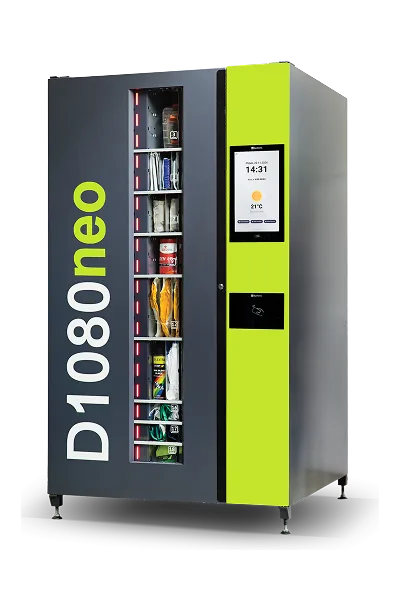
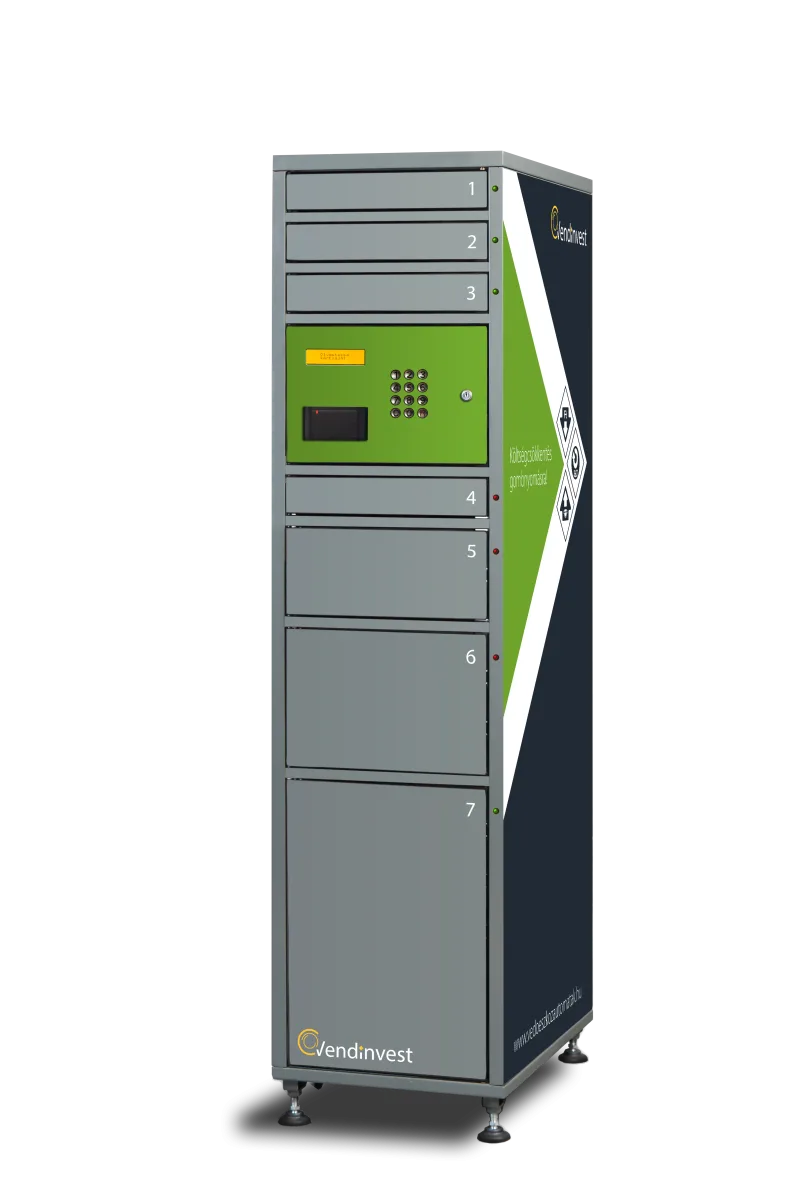
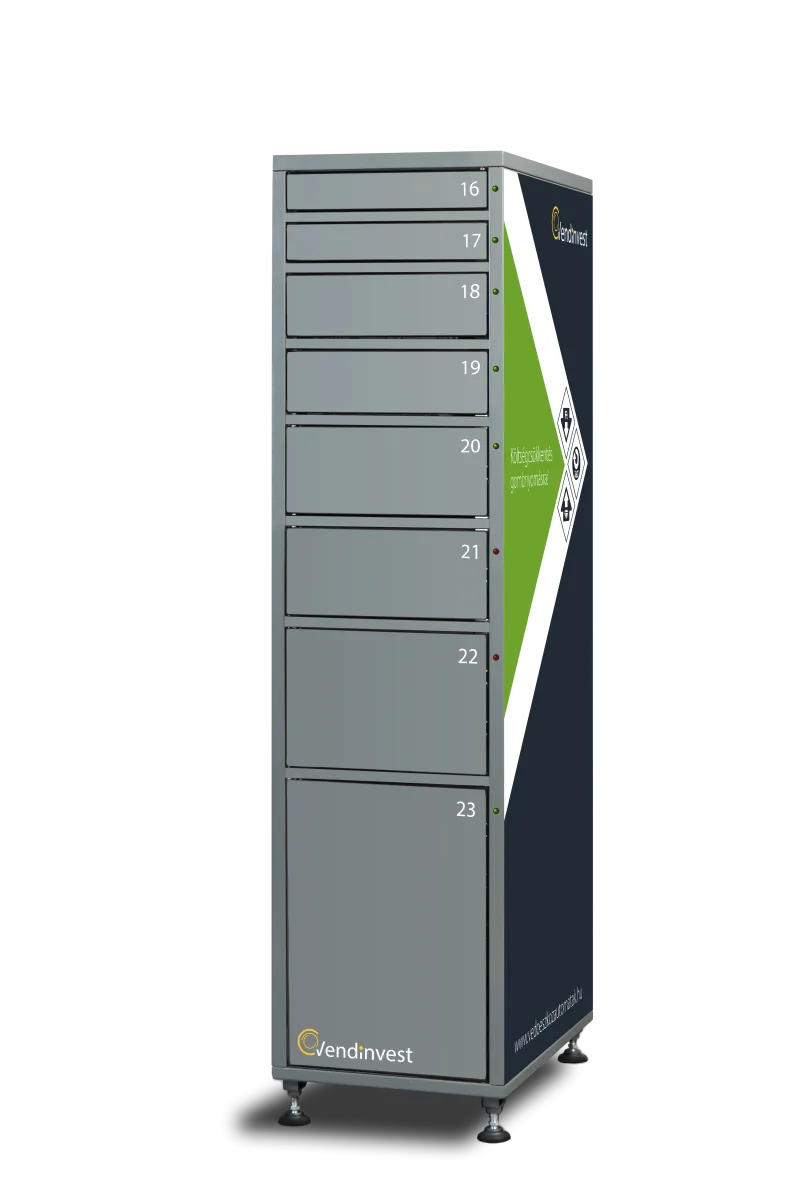
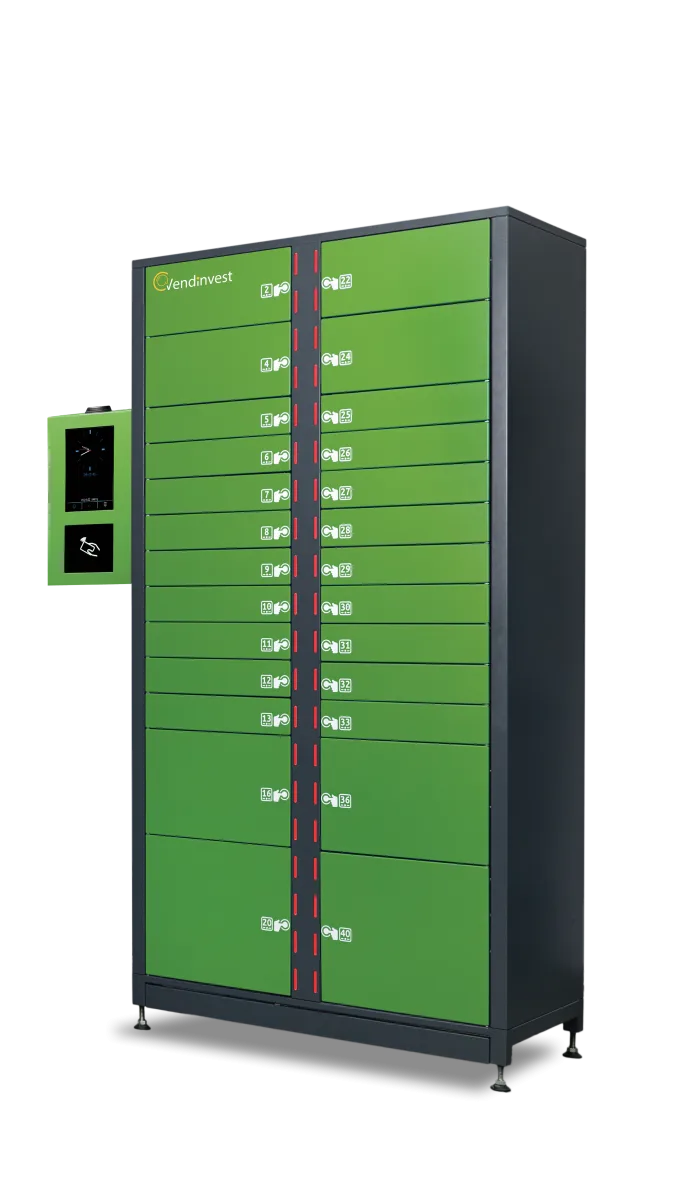
Services and support
From designing the solution through installation to ongoing service and software updates.
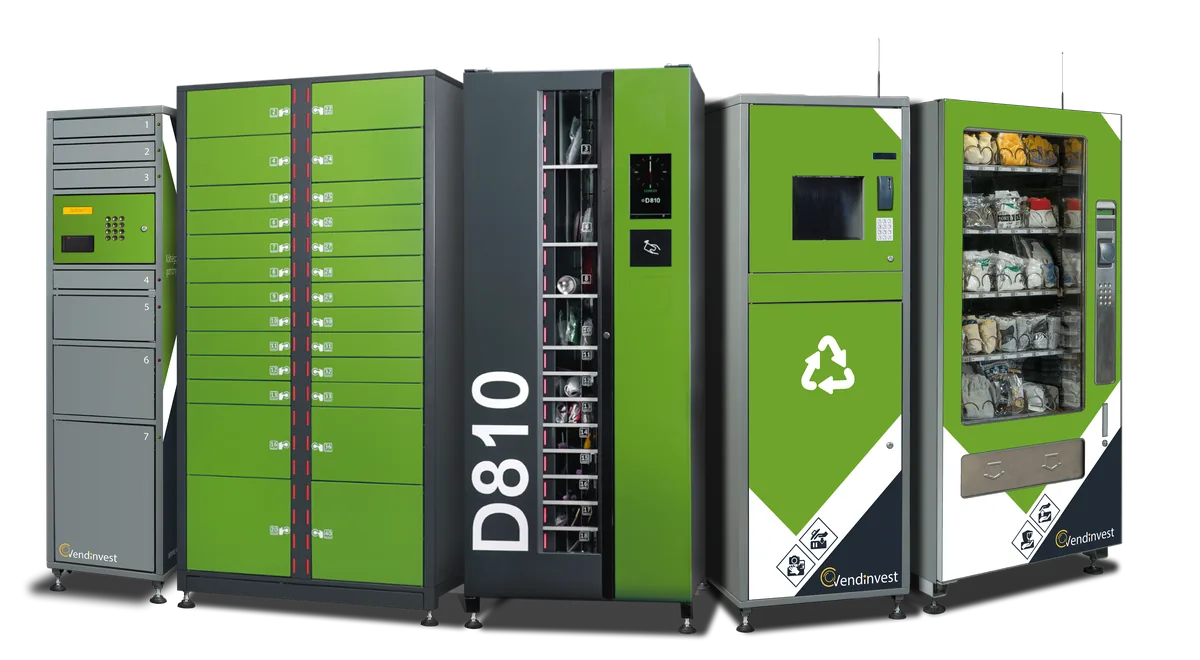
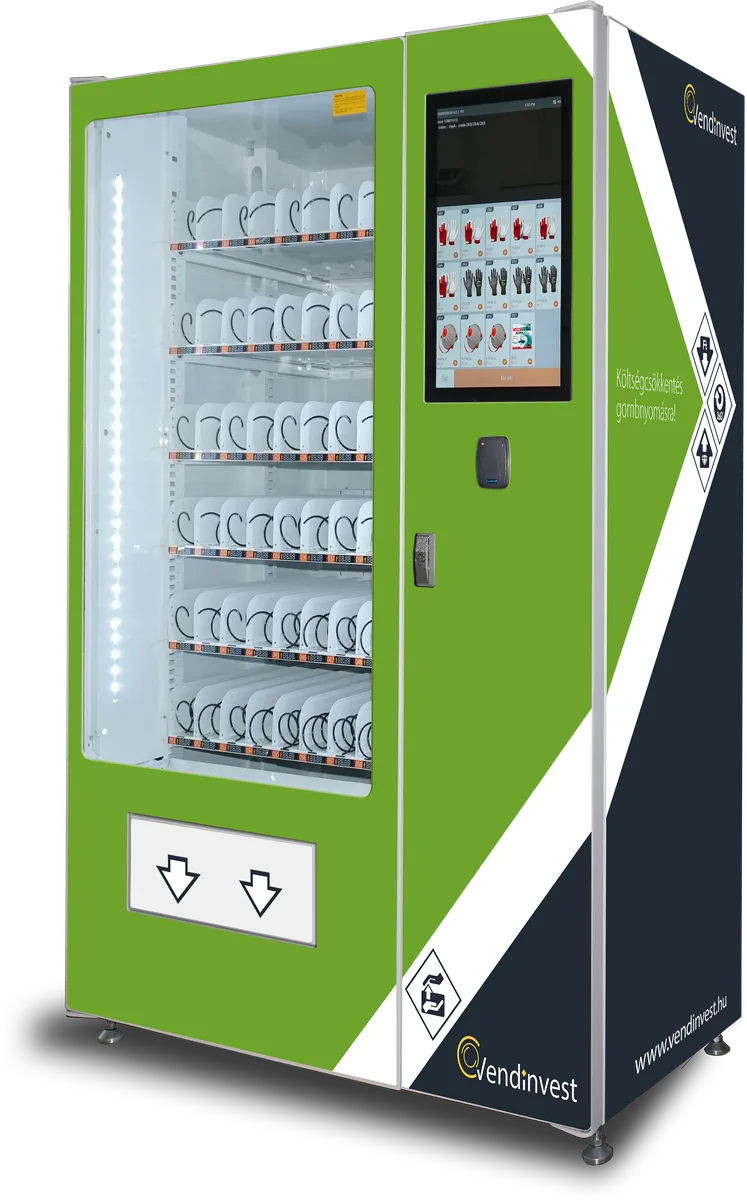
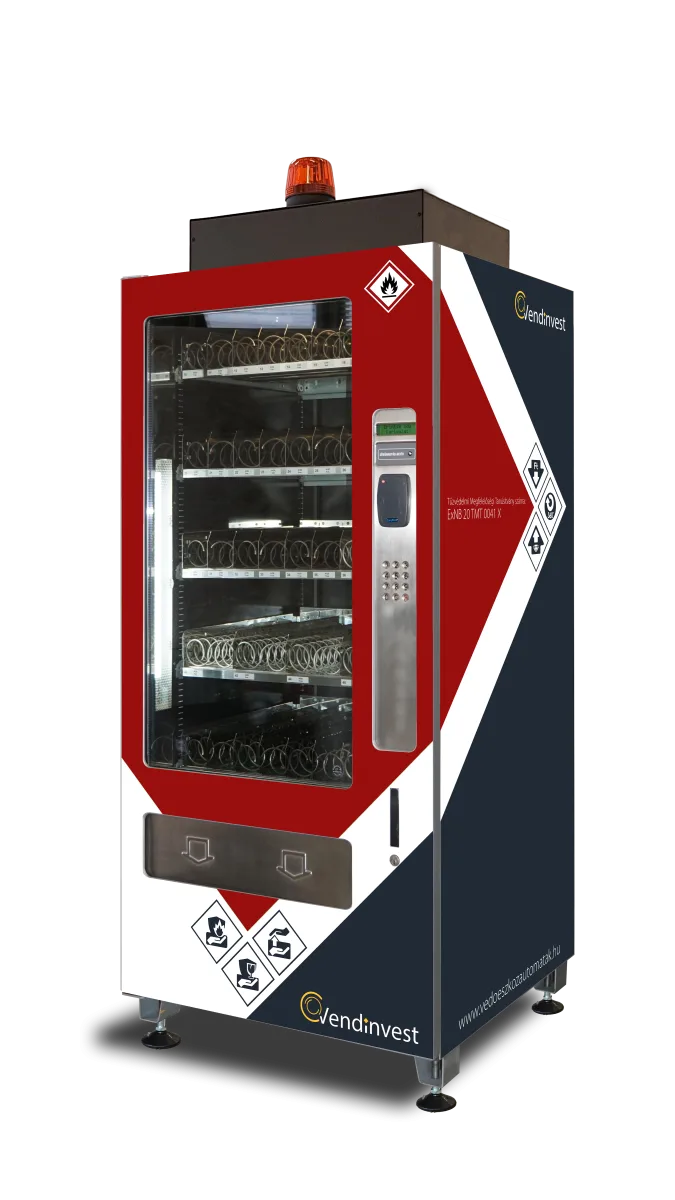
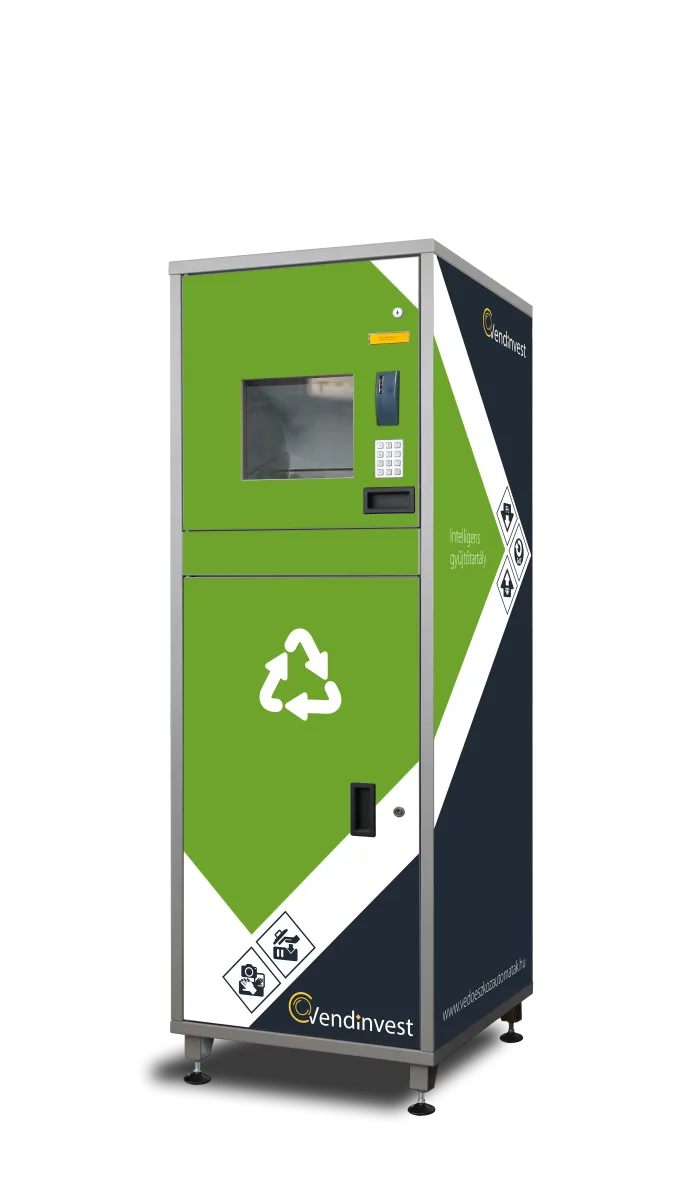
Spiral and lift vending machines
Precise handling of small, valuable, fragile or flammable items.
View categoryCarousel storage machines
Record storage capacity in a compact footprint, thanks to a rotating drum.
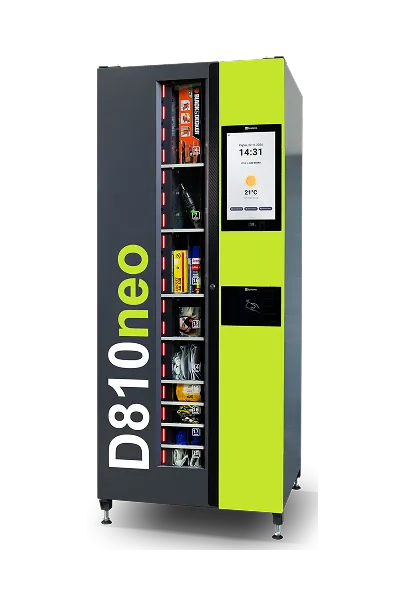
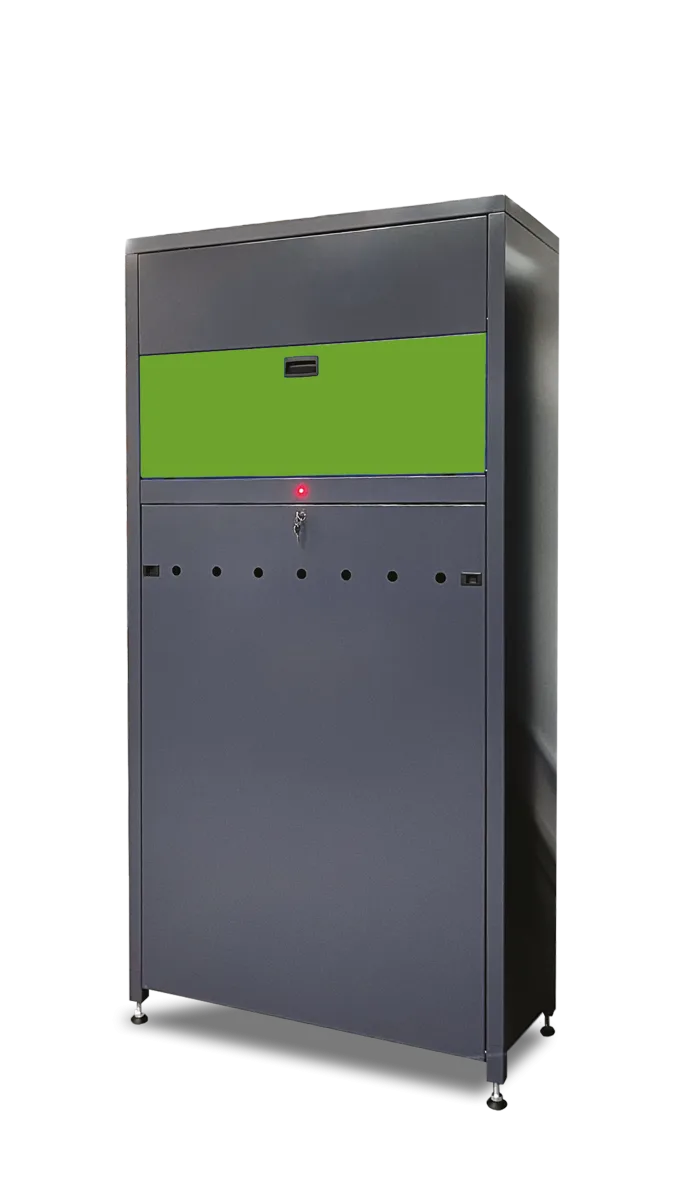
View categoryCabinet dispensing and storage machines
Safe handling of bulky equipment and power tools.
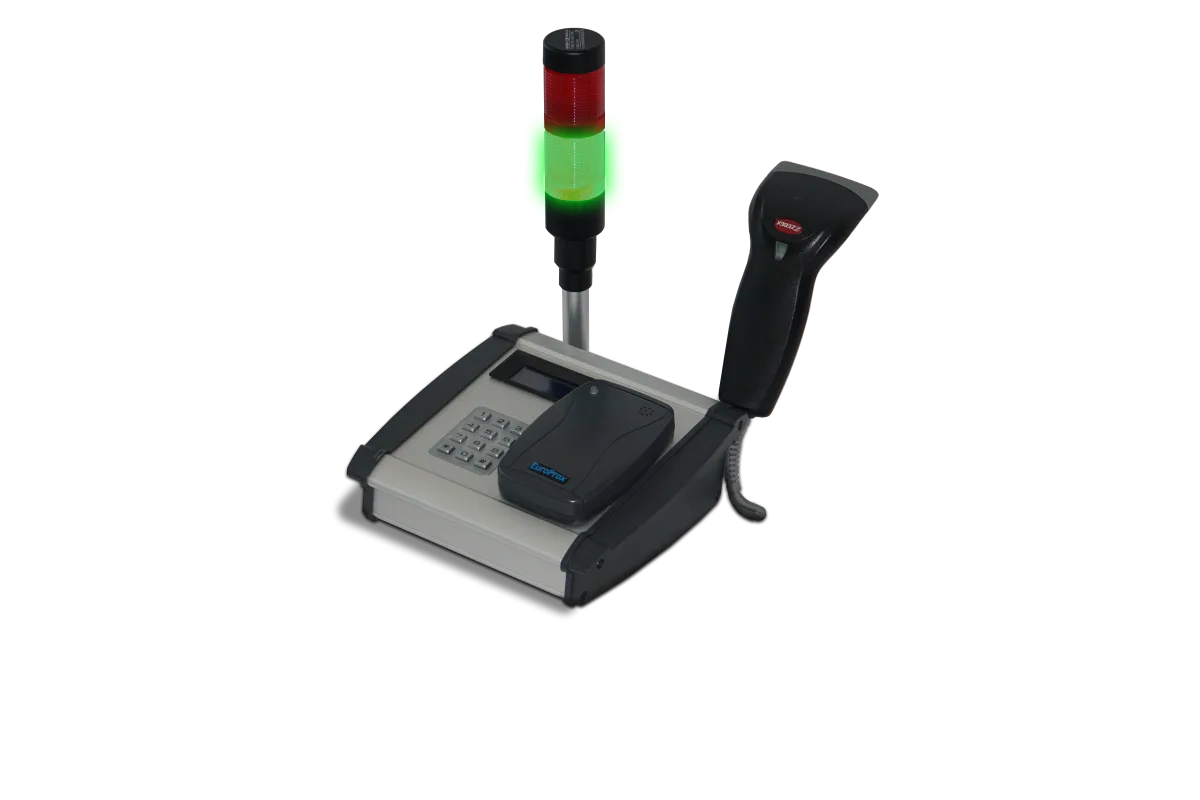
View categoryDecentralised storage and terminals
Dispensing and record keeping wherever the work happens, oversized items included.
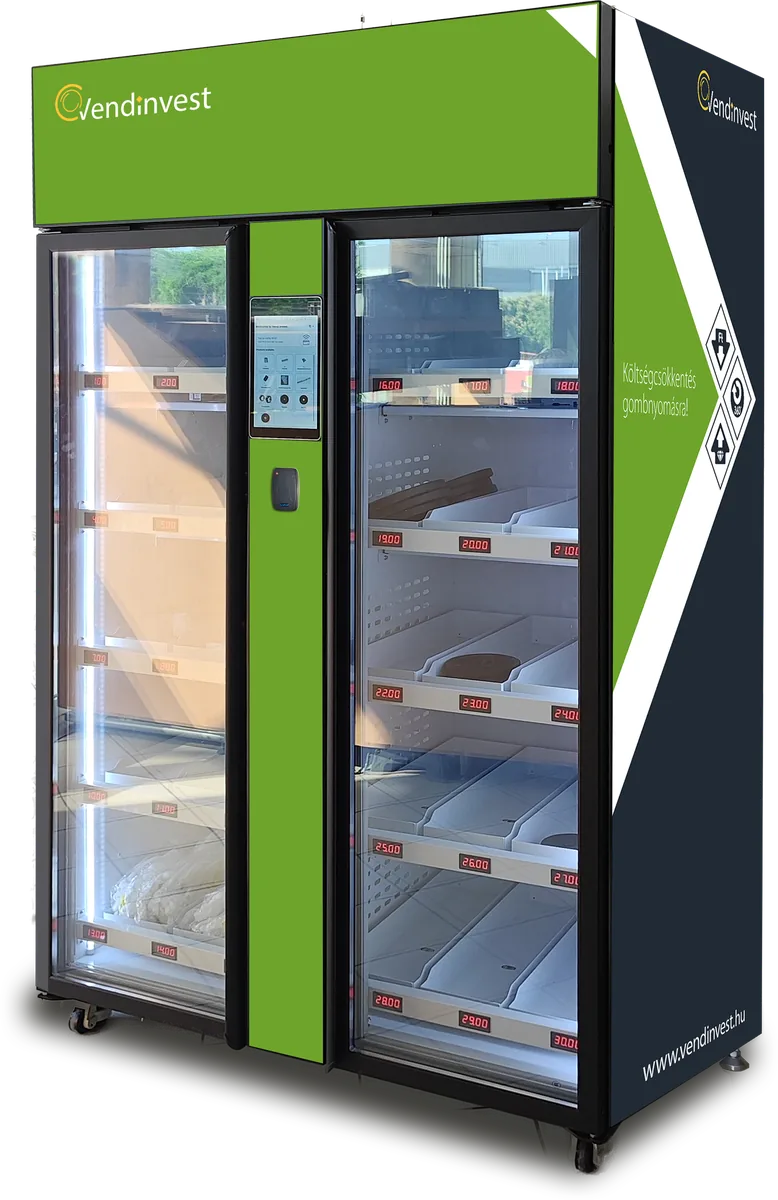
View categoryWeighing dispensers and intelligent systems
Fast dispensing without scanning. Stock is booked automatically from the exact change in weight.
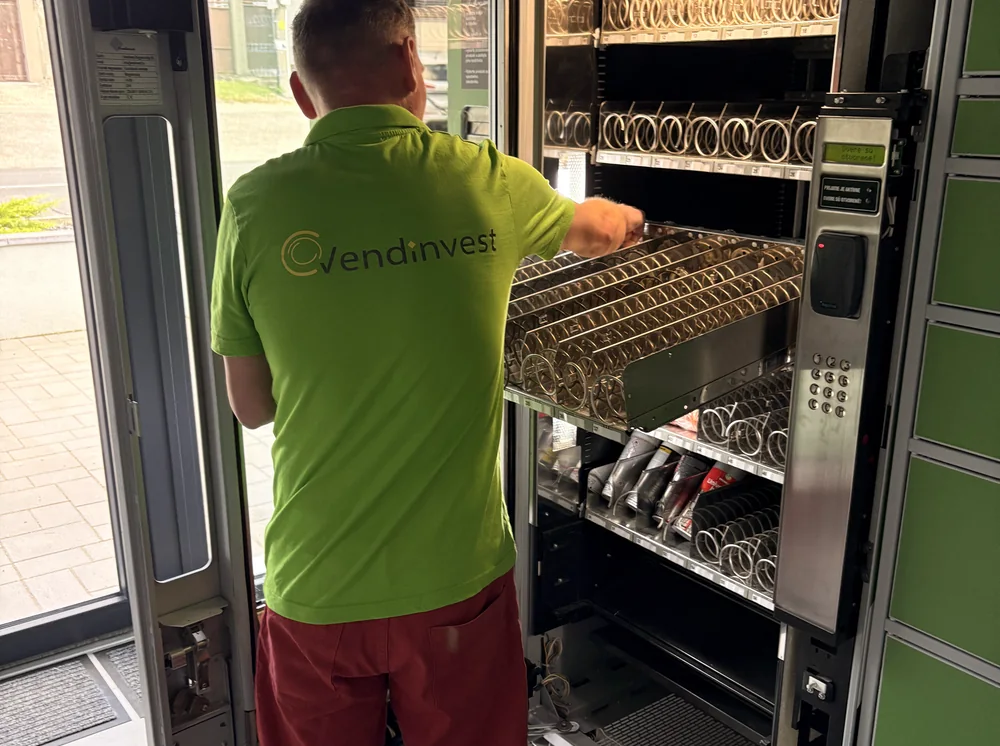
View categoryServices and support
From designing the solution through installation to ongoing service and software updates.
Financing
You can buy the machine or rent it. Both routes end in the same place.
A no-obligation quote within 48 hours
Request a quoteGuide
The act on electronic cash registers has ceased to apply. From 1 January 2026 a new act on sales records replaced it, and the consumer protection act changed as well. This guide sets out what of that applies to a vending machine, why the difference between issuing and selling decides everything, and which duties remain even when a machine sells nothing.
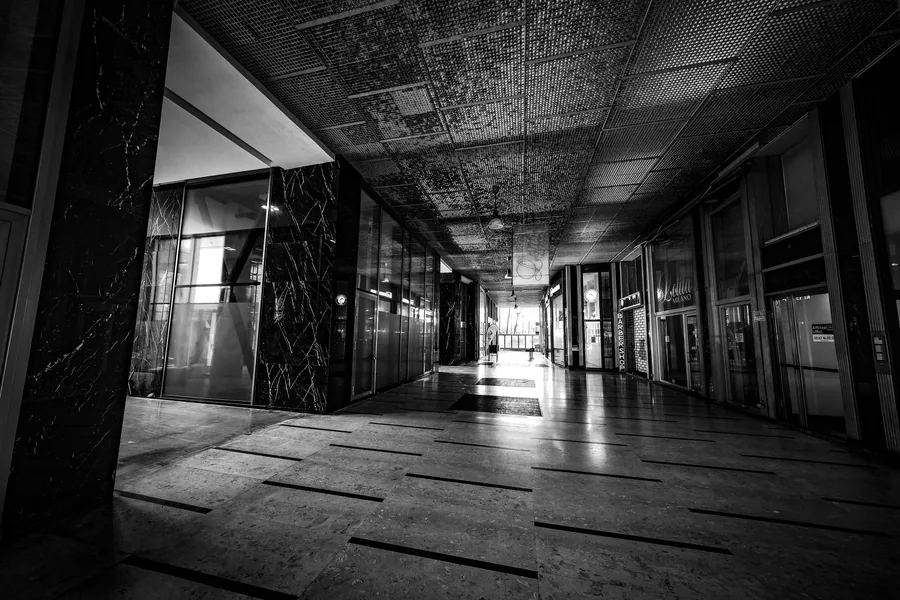
A machine in a production hall and a machine in a public corridor look alike, but in law they are two different worlds. One question decides it: do the goods pass to another person for consideration?
This guide deals with the second situation, but the fifth section belongs to the first, because in practice that is the more common case.
Act No. 289/2008 Coll. on the use of electronic cash registers, which Slovak retail relied on for nearly twenty years, no longer applies. Its last time version is listed as valid until 31 December 2025.2 It was replaced by the new Act No. 384/2025 Coll. on sales records, which took effect on 1 January 2026 and expressly repeals the old act.1
The wording of the provision
"Act No. 289/2008 Coll. on the use of electronic cash registers and amending Act of the Slovak National Council No. 511/1992 Coll. on the administration of taxes and fees and on changes in the system of territorial financial authorities, as amended, is repealed [...]"Section 21 of Act No. 384/2025 Coll. on sales records
The new act recognises three kinds of eKasa till: the online cash register, the software online cash register and the virtual cash register.1 For anyone running a machine, though, the list of exemptions from the duty to record a sale matters more.
The wording of the provision
"The duty to record a sale under paragraph 1 does not apply to a) the sale of 1. valuables other than a single-purpose voucher under a special regulation, public transport tickets, phone cards, daily and periodical press, 2. goods through vending machines, 3. goods sent cash on delivery [...]"Section 3(2) of Act No. 384/2025 Coll. on sales records
So the exemption has survived into the new act. In its next point the same provision grants it to services provided through vending machines as well. A sale from a machine is not recorded in the eKasa system.
That sentence does not mean the takings are invisible. It means only that they are not recorded in the way the act prescribes for tills. The tax and accounting duties on the sale remain, and the operator meets them from its own records, usually from the machine's dispensing system.
For cases where takings do have to be recorded, the act has tightened the penalties. Section 17 contains seven penalty bands depending on which duty was breached.1
| Group of administrative offences | Lower limit | Upper limit |
|---|---|---|
| Section 16(a) to (d), (g) and (u) | 1 500 € | 20 000 € |
| Section 16(q) | 3 000 € | 60 000 € |
| Section 16(p), (r) and (s) | 3 000 € | 15 000 € |
| Section 16(e), (f), (h), (j), (l) to (n) and (o) | 150 € | 6 500 € |
Mind which version you cite
Act No. 384/2025 Coll. has already been amended once. The wording valid on the date this guide was updated has been in force since 28 February 2026. When citing the act in internal documentation it is worth giving the date of the wording, not only the number.
Here too the basic legislation has changed. The last time version of Act No. 250/2007 Coll. on consumer protection is listed as valid until 30 June 2024.4 Since 1 July 2024 Act No. 108/2024 Coll. on consumer protection has applied.3
The new act deals with automated sales expressly. The long list of information a trader must give before a contract is concluded does not apply to sales from a machine.
The wording of the provision
"Paragraph 1(a) to (k) and paragraphs 2 and 4 do not apply to [...] h) a contract concluded through vending machines or through premises with an automated sales system [...]"Act No. 108/2024 Coll. on consumer protection, the provision on pre-contractual information duties
The exemption has to be read precisely, because it is easily overrated. It does not cover the whole of consumer law, only a specific list of pre-contractual information duties. The rest of the act, above all the ban on unfair commercial practices and liability for defects, applies to sales from a machine as well.
The practical consequence is simple. A machine does not have to display before the purchase what an online shop would. It does have to sell what it offers, at the quality stated and without misleading anyone.
This act is changing too. The wording valid on the date this guide was updated is listed as effective from 31 July 2026, and the next wording takes effect on 27 September 2026.3
If a machine sells drinks in deposit packaging, Act No. 302/2019 Coll. on the deposit return of single-use drinks packaging comes into play, in the wording in force since 1 January 2023.5 The distributor's duties in Section 5 are fairly specific.
One relief applies to smaller premises. A distributor selling drinks to end users on a sales area smaller than 300 m² may pay out the deposit as a voucher for goods at its own premises instead of in cash.5
Whether and how far these duties fall on a particular site with machines depends on how the operator's status and its sales area are assessed. It is a question worth settling before buying a machine, not afterwards.
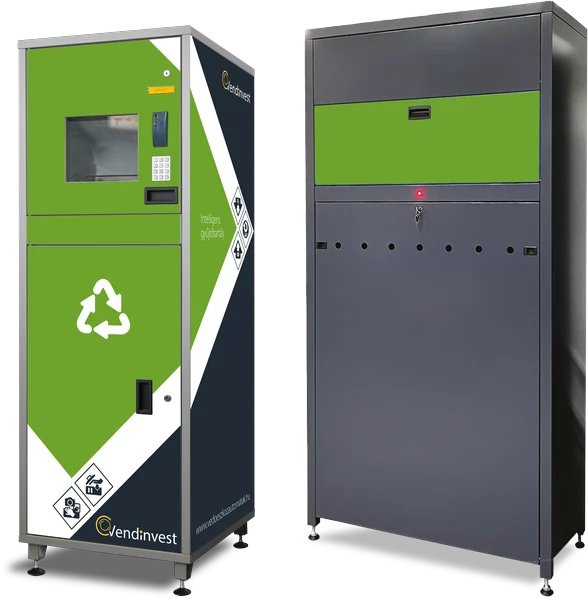
In offices, services and sites away from production, the most common case is a machine that does not sell. It issues office and IT supplies, hygiene products, access cards or small electronics to employees, and the consumption is booked to a department or a cost centre.
In law that is simpler. There is no sale, so the act on sales records does not apply, and there is no consumer contract, so consumer law does not apply. Two things remain.
Where an item used by several employees is issued, under Section 3(3)(b) of Government Regulation No. 395/2006 Coll. it must be available to the employee whenever it is needed.8 In continuous operation that is exactly the argument for a machine rather than a counter.
A machine is a work device, and the person restocking or repairing it is at work. Government Regulation No. 392/2006 Coll. applies to it, in force since 1 July 2006 and never amended.6
For machines installed at a customer's site, the last sentence of Section 5(4) matters. A device used away from the employer's workplace must carry the records of the last inspection at the place of use.
International prevention work outside state supervision also treats this as management rather than formality. The Vision Zero strategy, led by the International Social Security Association, sets the safety of machines, equipment and workplaces as rule five of seven.9
These duties are covered in more detail in the guide Maintenance and service teams.
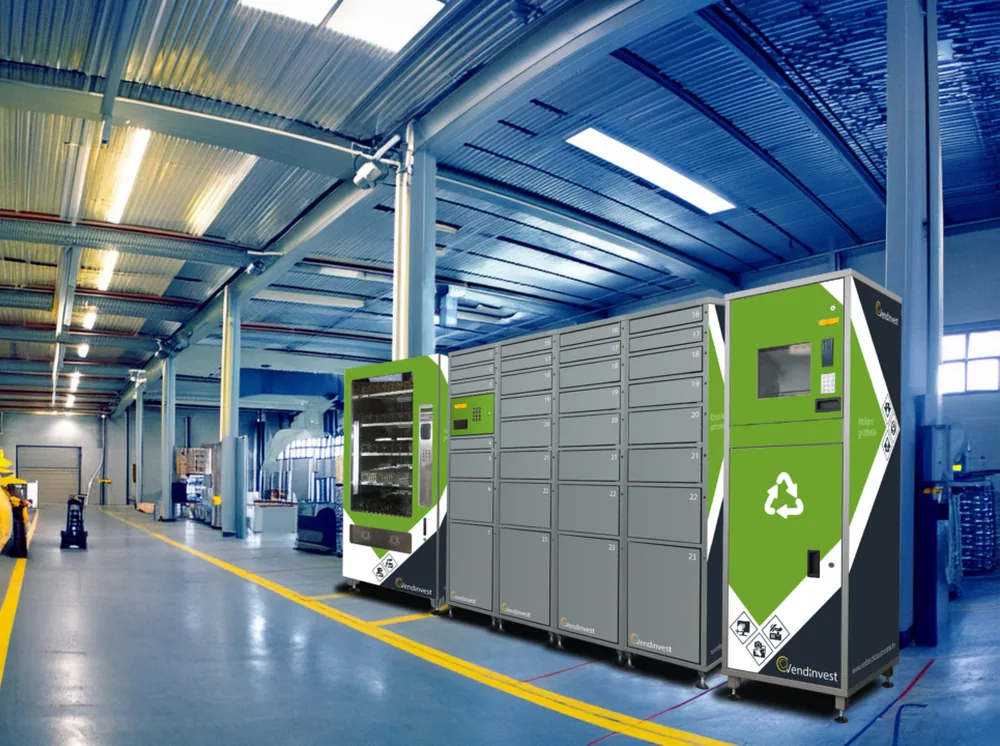
The choice of model follows from what comes out of the machine and whether anything comes back.
Whatever the model, with internal issuing the dispensing record is the only evidence of who received what. With a sale it is the only source of data on the takings, since those are not recorded in the eKasa system.
Nine questions worth answering before the order, not after it.
Will the machine sell to an end consumer, or issue the employer's property to employees?
If it sells, are we relying on the current Act No. 384/2025 Coll. rather than the repealed Act No. 289/2008 Coll.?
Do we understand that the exemption from sales records for vending machines does not remove the site's tax and accounting duties?
Does our documentation refer to Act No. 108/2024 Coll. rather than the repealed Act No. 250/2007 Coll.?
If we sell drinks, have we settled the deposit return, including keeping the price and the deposit recorded separately?
Do we know who is assigned to restock the machine and who is the authorised person for its maintenance?
Does the machine have a clearly marked switching element, and are the last inspection records at the place of use?
If protective equipment is issued, is a record of provision created and kept for five years?
Is it ruled out that the cost of protective equipment could be passed to an employee?
Under Section 3(2) of Act No. 384/2025 Coll. on sales records, the duty to record a sale does not apply to goods sold through vending machines. The same provision grants the exemption to services provided through vending machines. The exemption covers recording the sale in the eKasa system, not the tax and accounting duties attached to the sale itself.
No. Its last time version is listed as valid until 31 December 2025, and Section 21 of the new Act No. 384/2025 Coll. on sales records expressly repeals it. The new act took effect on 1 January 2026 and has since been amended once; the wording valid as at 31 August 2026 has been in force since 28 February 2026.
No. Act No. 108/2024 Coll. on consumer protection excludes a contract concluded through vending machines or through premises with an automated sales system from a specific list of pre-contractual information duties. The rest of the act, in particular the ban on unfair commercial practices and liability for defects, applies here too.
Act No. 302/2019 Coll. on the deposit return of single-use drinks packaging requires a distributor to keep separate accounting records of the price of the goods and of the deposit, to register with the administrator as a collection point, and to take back waste from deposit packaging at the premises or within 150 metres of them, with no limit on quantity and without tying it to a purchase. A distributor with a sales area smaller than 300 m² may return the deposit as a voucher for goods at its own premises.
Neither the act on sales records nor consumer law applies, because there is no sale and no consumer contract. What does apply are the duties under Act No. 124/2006 Coll. on health and safety: providing protective equipment free of charge with records of what was issued, keeping the documentation for five years, and the ban on passing the cost to the employee.
A machine is a work device. Under Section 6 of Government Regulation No. 392/2006 Coll., where its use may particularly endanger safety, only an assigned employee may use it, and maintenance, repairs and modifications may be carried out only by an authorised person. Where a machine stands away from the employer's workplace, the records of the last inspection must be at the place of use.
Legislation is cited as in force on the date this guide was updated. Sources that are not Slovak legislation are marked in the list and are informative. This text is for information and does not replace legal or tax advice.
Act No. 384/2025 Coll. on sales records and amending certain acts
Act No. 289/2008 Coll. on the use of electronic cash registers, repealed
Act No. 108/2024 Coll. on consumer protection and amending certain acts
Act No. 250/2007 Coll. on consumer protection, repealed
Act No. 302/2019 Coll. on the deposit return of single-use drinks packaging
Government Regulation No. 392/2006 Coll. on minimum health and safety requirements for the use of work devices
Act No. 124/2006 Coll. on occupational health and safety
Government Regulation No. 395/2006 Coll. on the provision and use of personal protective equipment
Vision Zero, the seven golden rules
Recommended models
In offices, services and retail it is usually small items taken often, plus a few that come back.
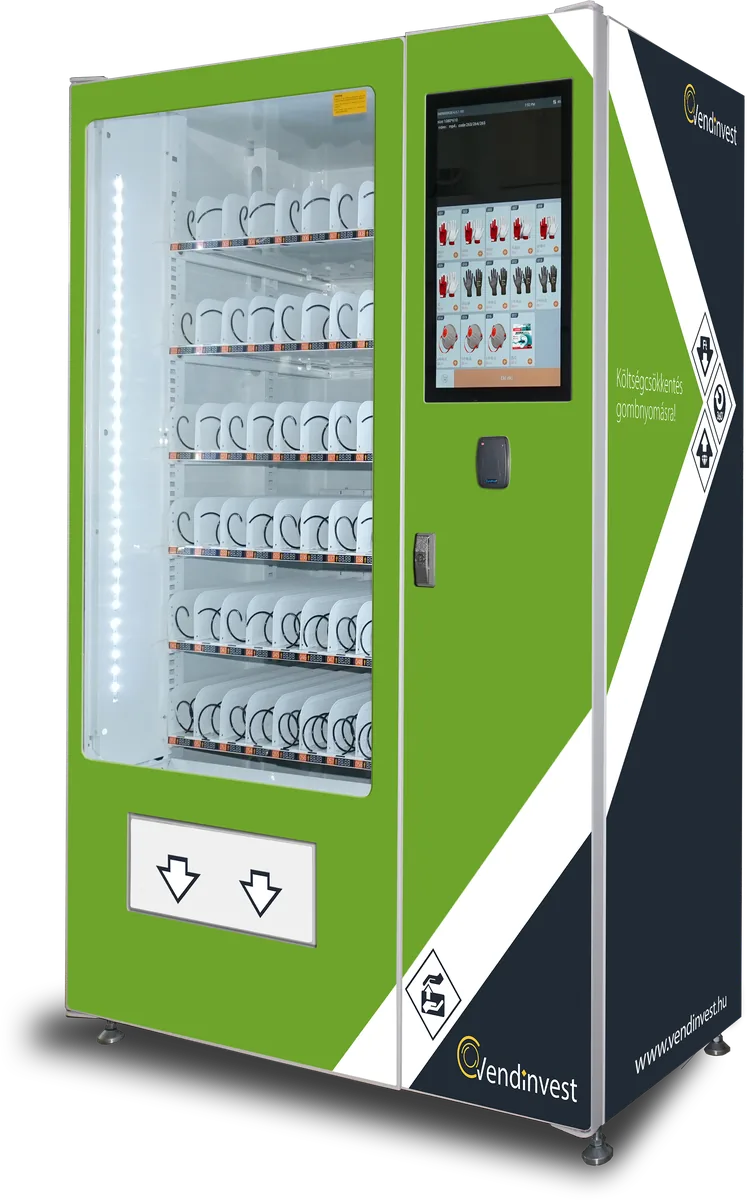 W40 LIFTGentle issuing of fragile items with no drop into the bin
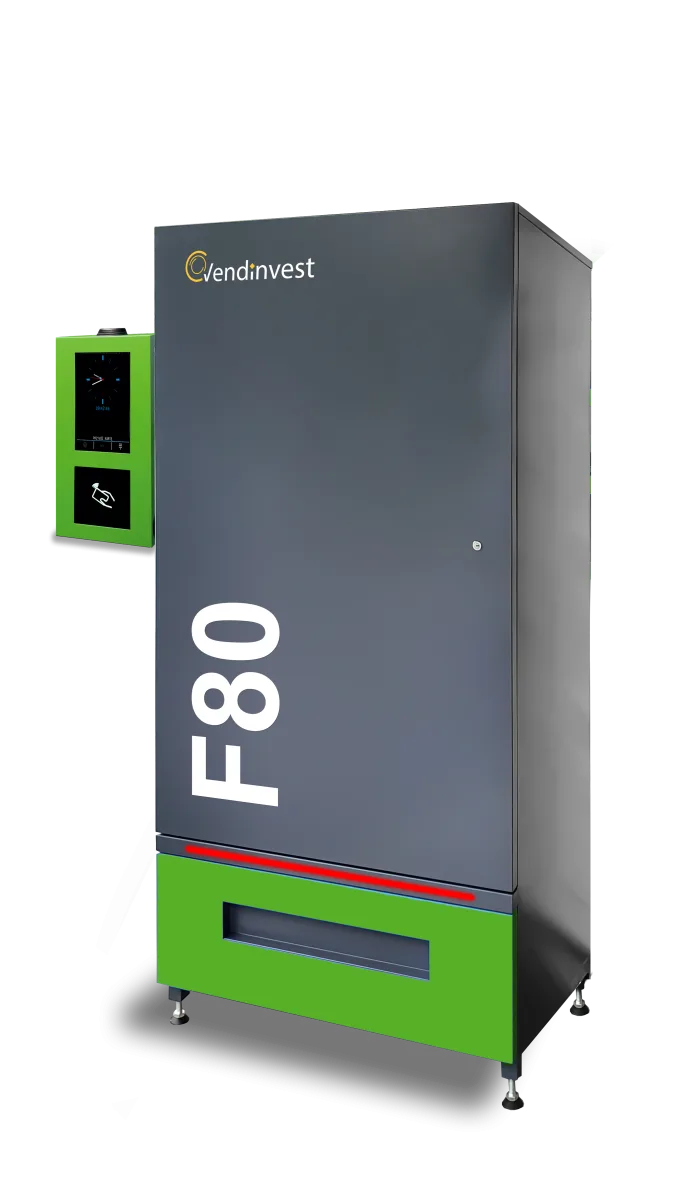 F80 BASICA compact machine for hygiene and office supplies
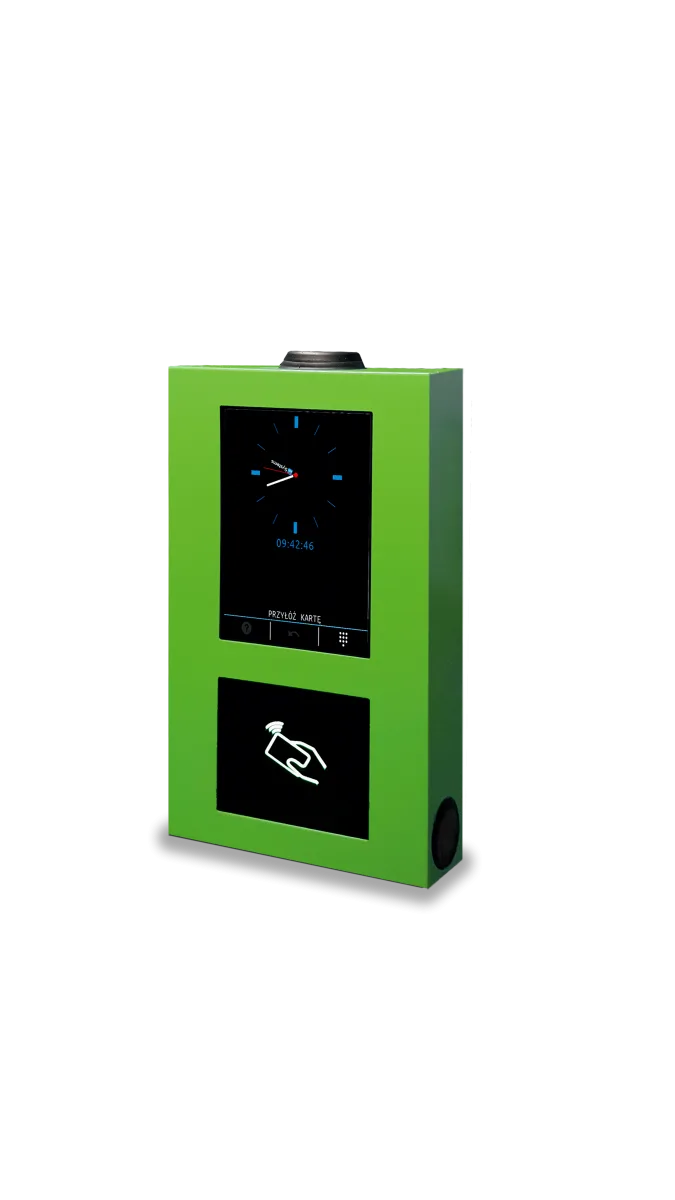 T10 BASICAn issuing point for a remote branch or site
Where to next
Open a category to see what is in it. The button takes you to its page.
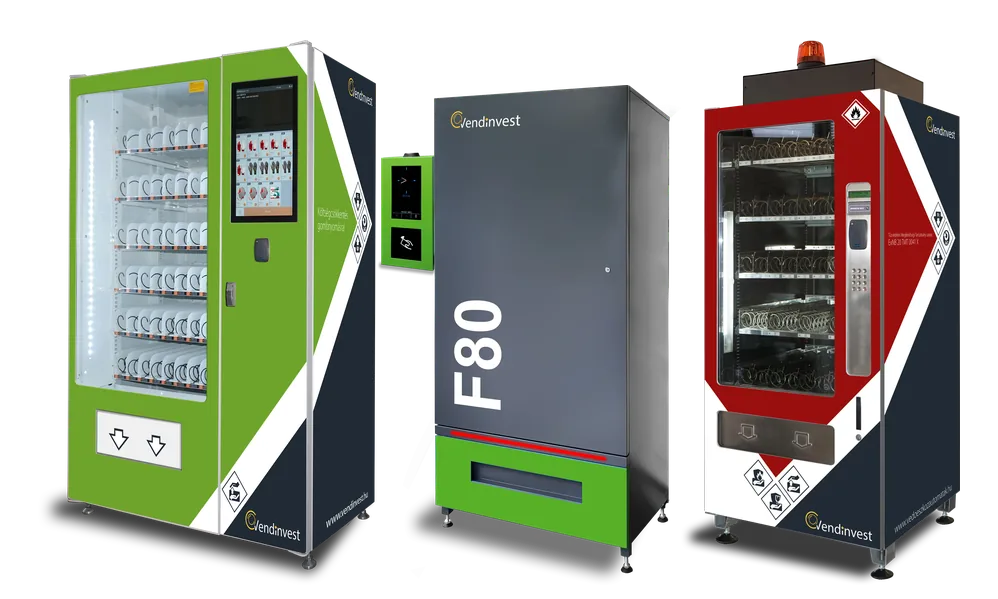
4 models · W40 DROP, W40 LIFT, W8 EX LIFT, F80 BASIC
Precise issuing piece by piece. The lift mechanism protects fragile items from dropping into the bin.
Go to the category2 models · X1 CAM, C240 OEM
Controlled collection with a photographic record of what was returned and by whom.
Go to the category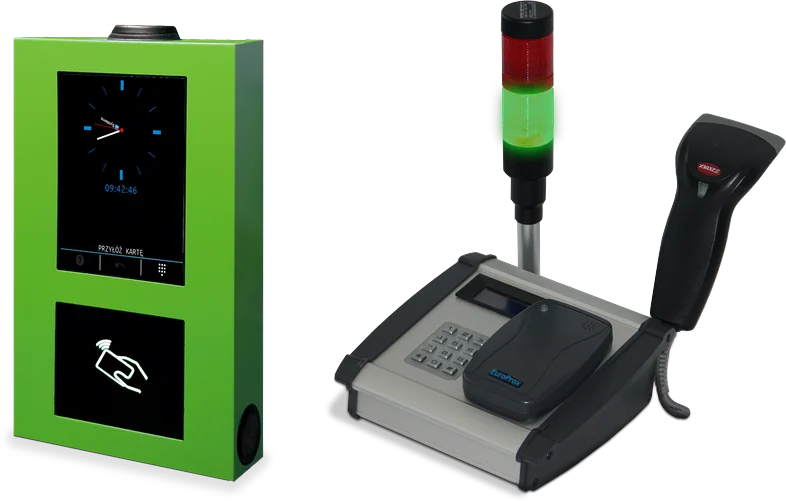
2 models · RKT 2, T10 BASIC
Issuing spread out with one shared overview across the locations.
Go to the categoryMore guides
Duties for work equipment and PPE, records of what is issued, and penalties.
Weight limits, racking inspections and records across halls.
The authorised person, intervals and records, isolation from power.
The new rules from April 2026, volume limits and zones.
A consultation with no obligation
Tell us whether the machine should sell or issue, and what should come out of it. We will propose the set-up and the way to record it.