Services and support
From designing the solution through installation to ongoing service and software updates.
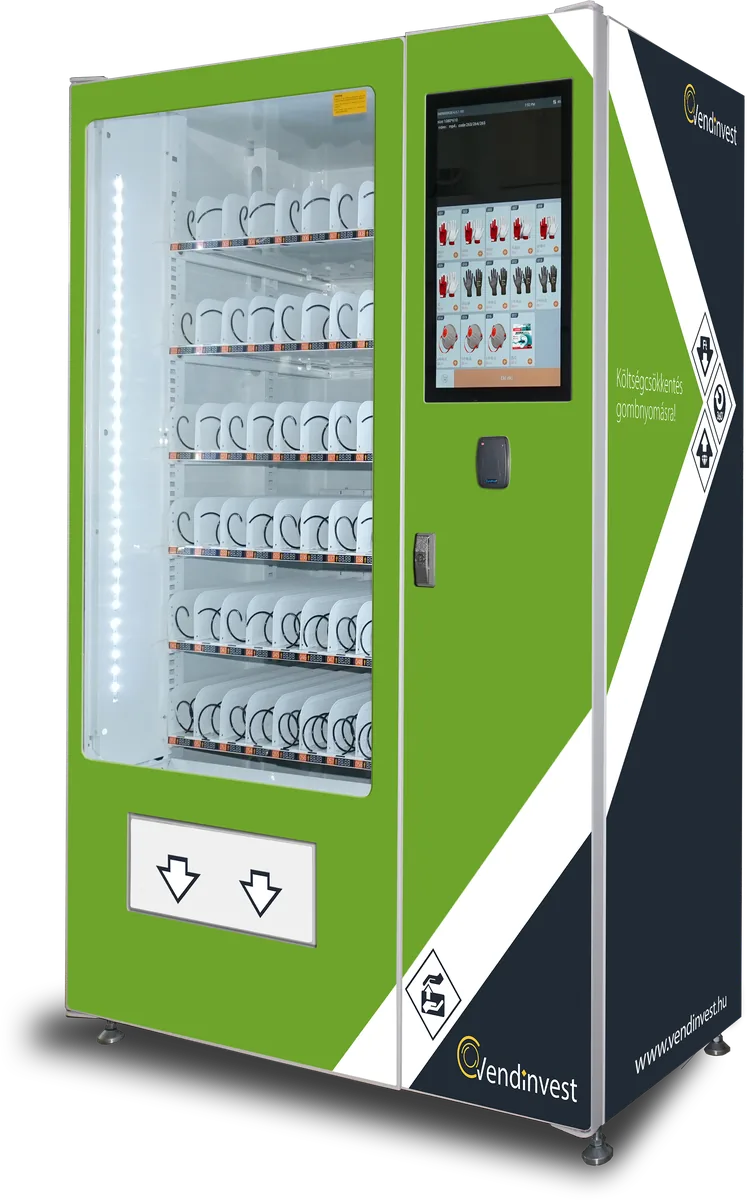
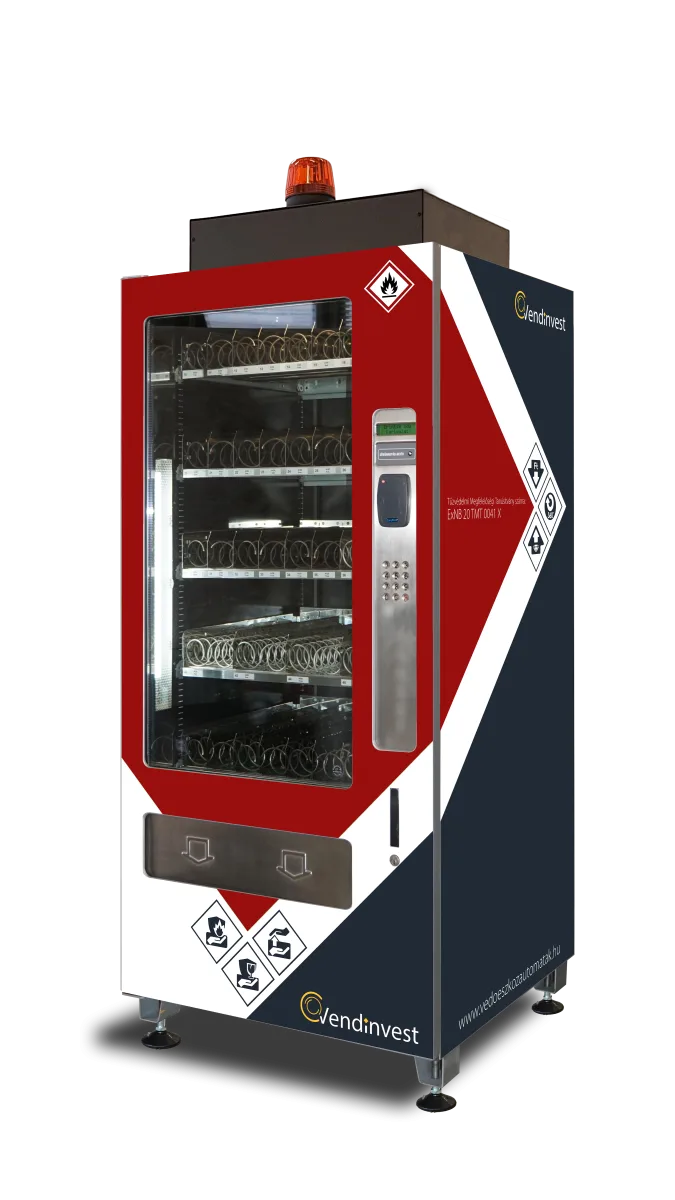
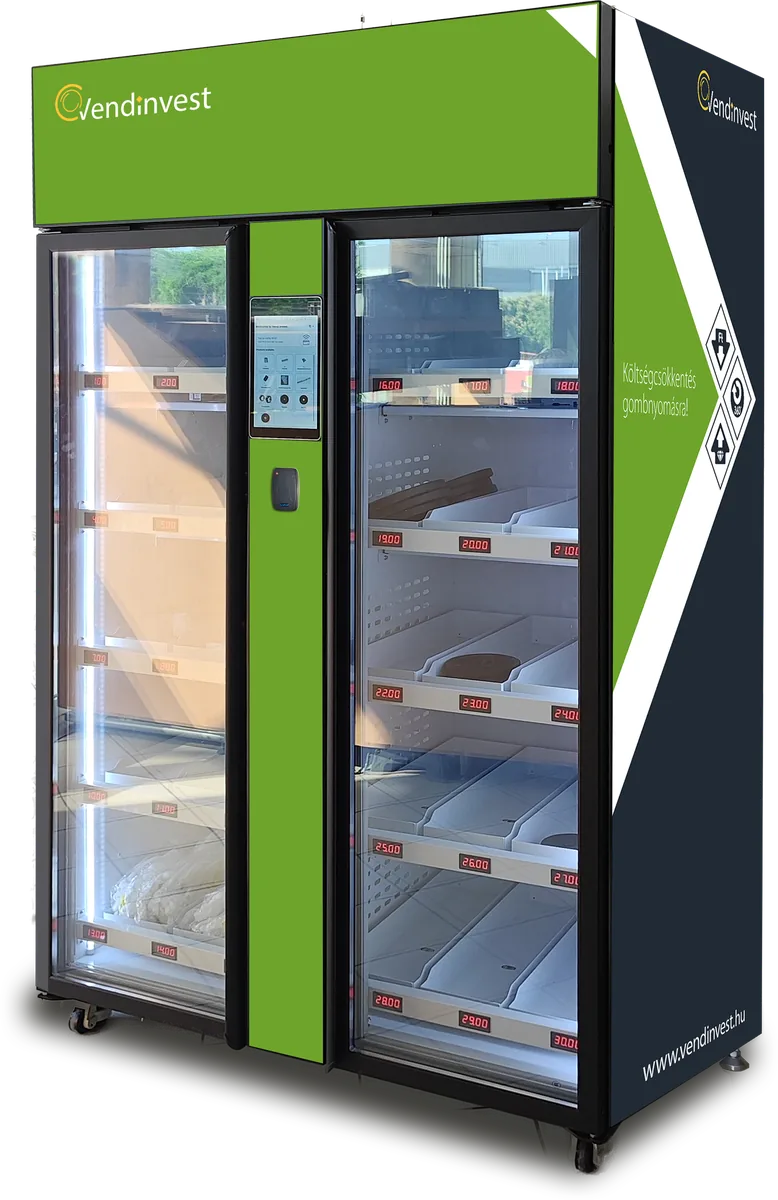
Spiral and lift vending machines
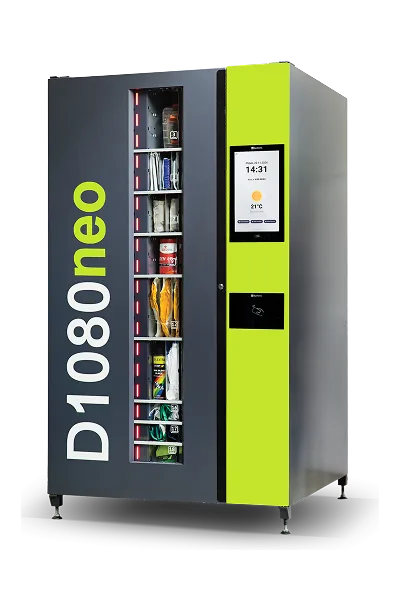
Precise handling of small, valuable, fragile or flammable items.
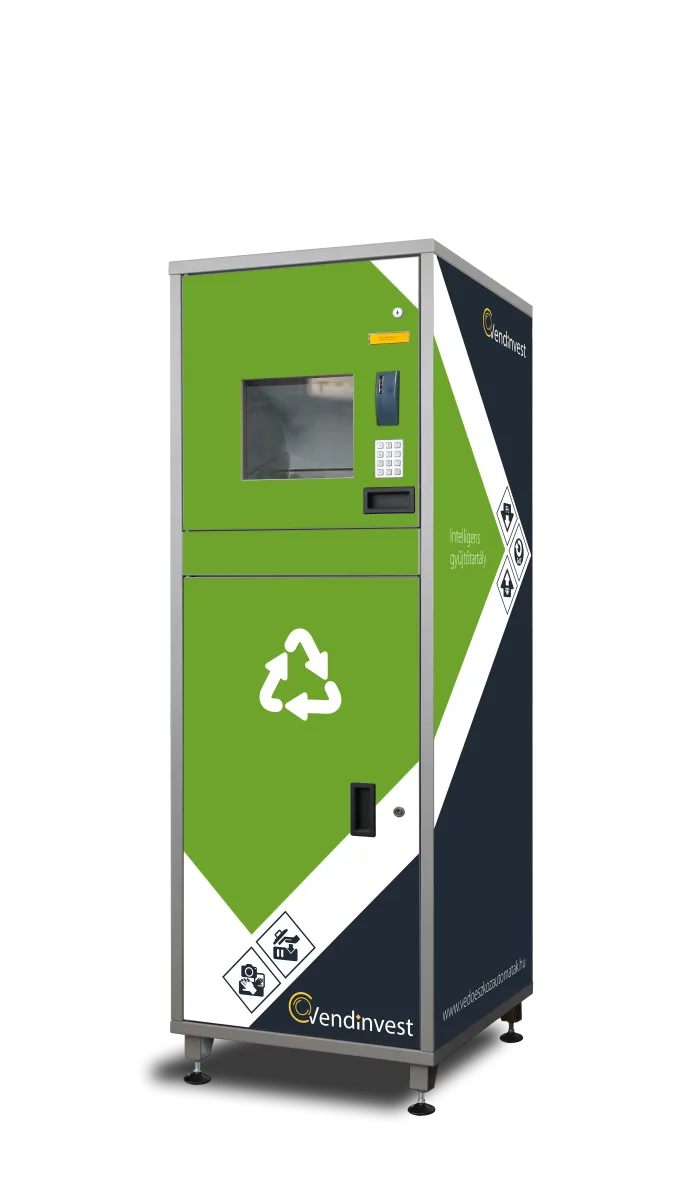
View categoryCarousel storage machines
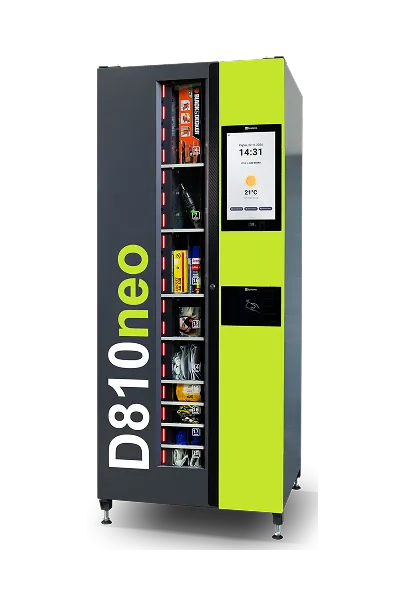
Record storage capacity in a compact footprint, thanks to a rotating drum.
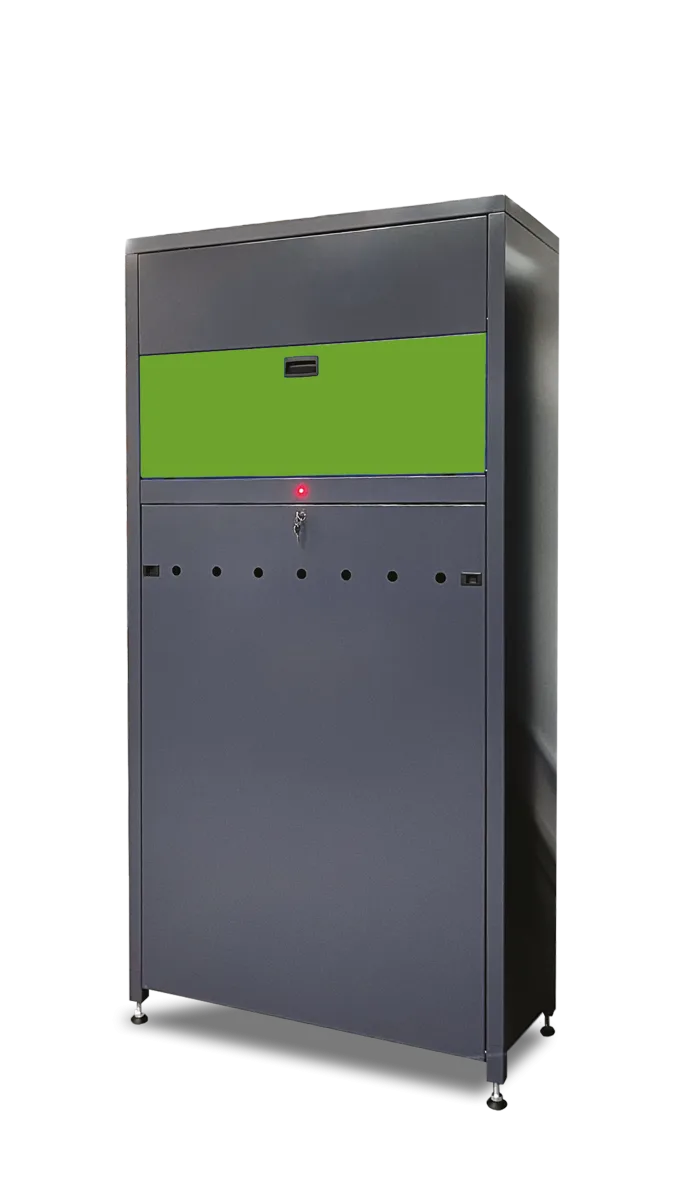
View categoryCabinet dispensing and storage machines
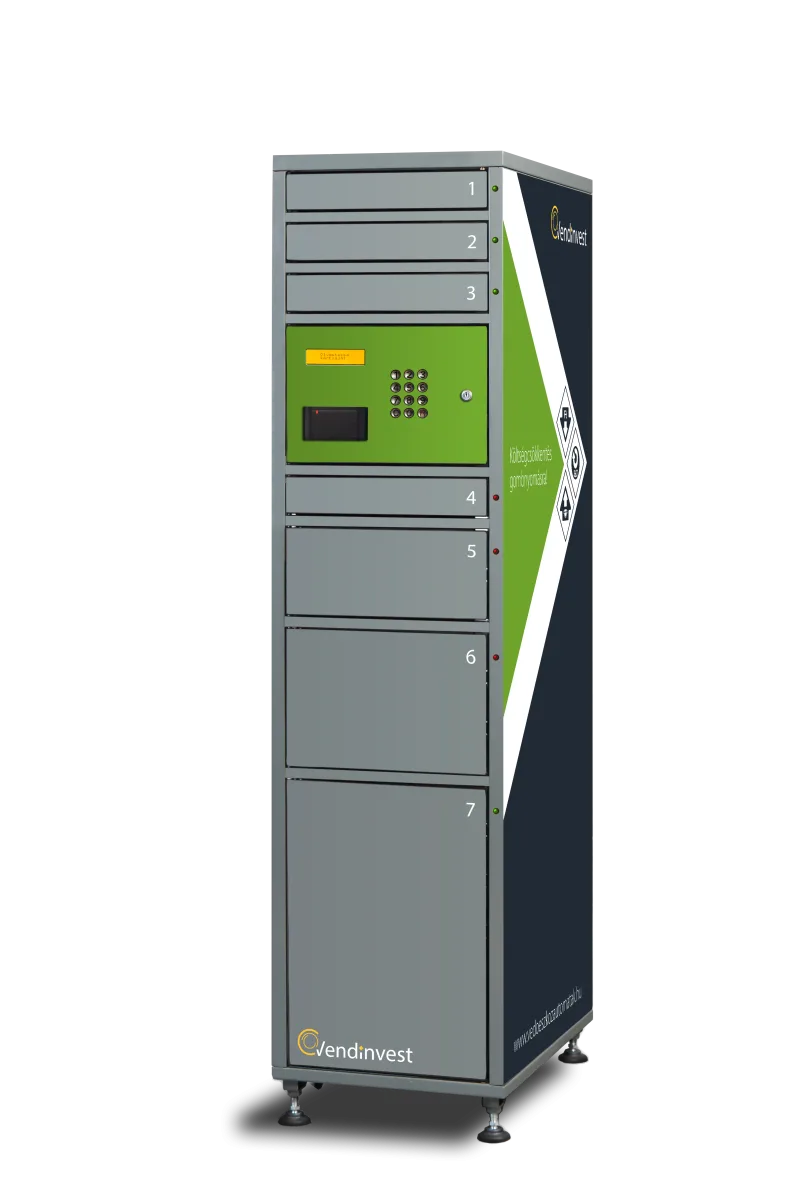
Safe handling of bulky equipment and power tools.
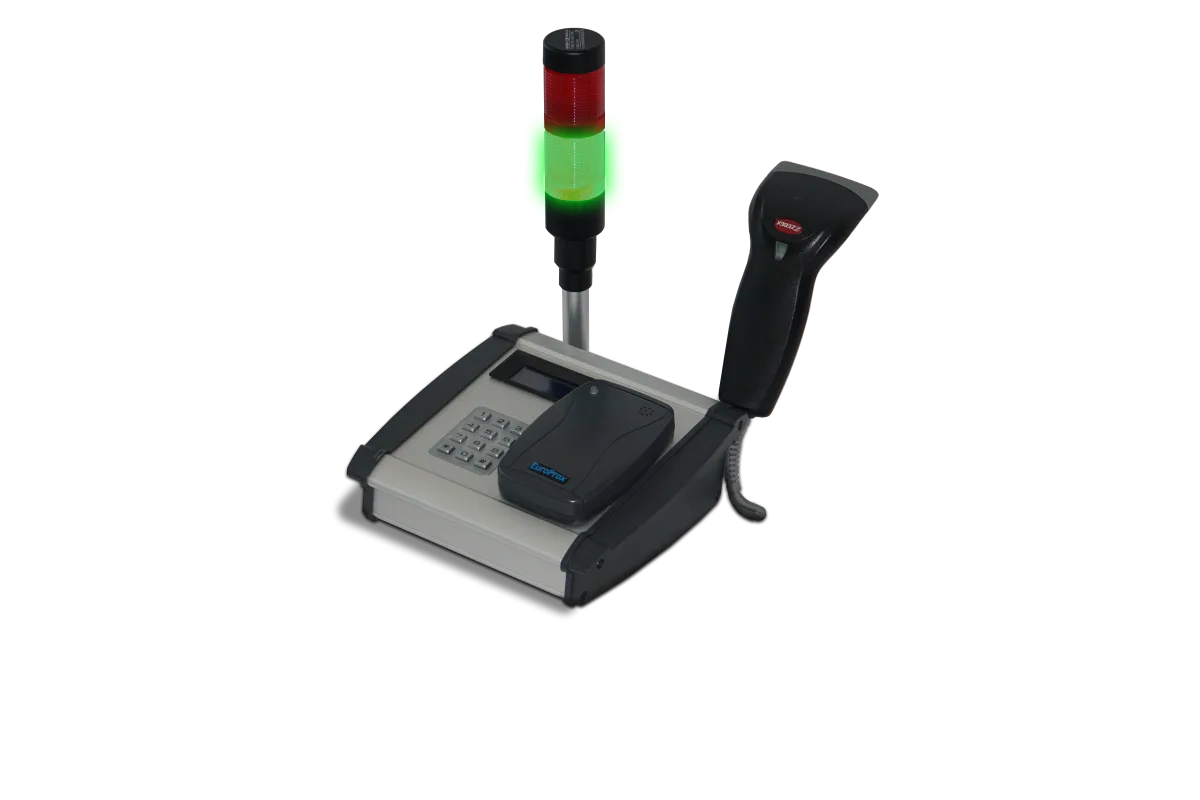
View categoryDecentralised storage and terminals
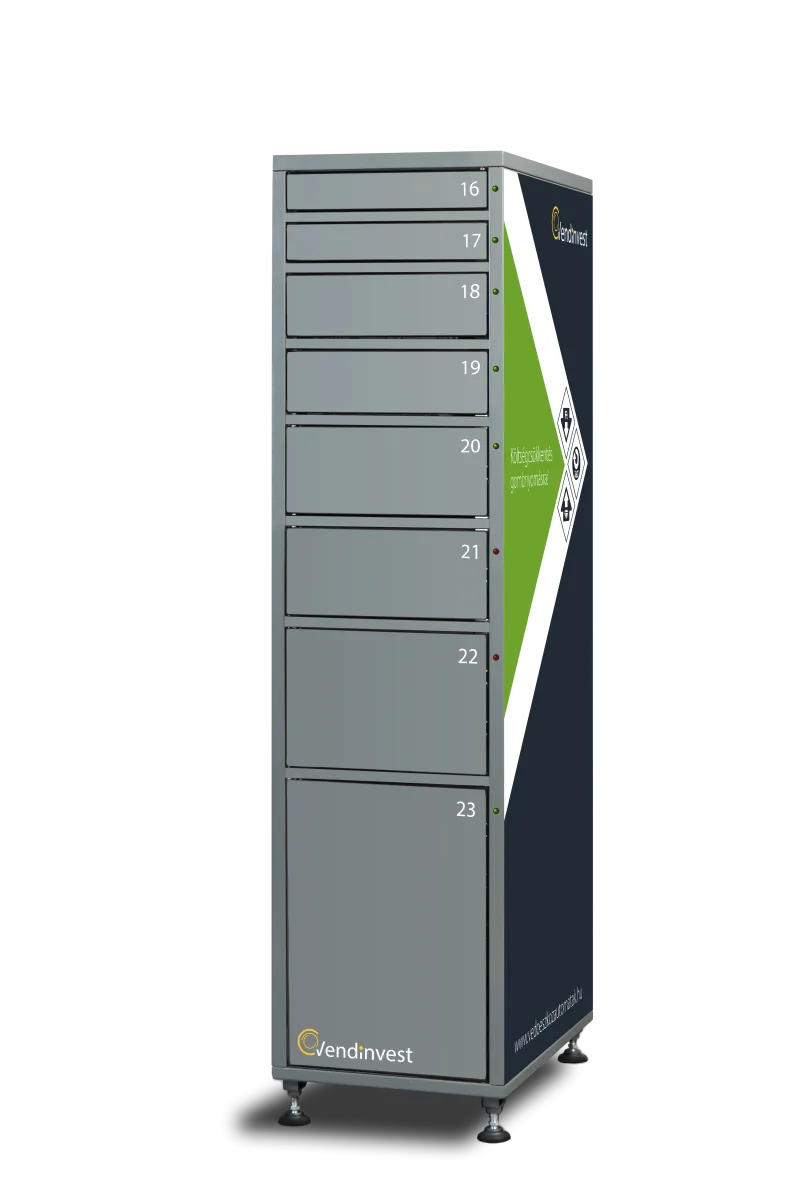
Dispensing and record keeping wherever the work happens, oversized items included.
View categoryWeighing dispensers and intelligent systems
Fast dispensing without scanning. Stock is booked automatically from the exact change in weight.
View categoryServices and support
From designing the solution through installation to ongoing service and software updates.
Financing
You can buy the machine or rent it. Both routes end in the same place.
A no-obligation quote within 48 hours
Request a quoteGuide
Transport and storage is the sector where the labour inspectorate found more shortcomings than in any other in 2025, and also the sector with the highest share of fatal accidents at work. This guide covers weight limits in manual handling, duties around racking and trucks, a widespread misunderstanding about designated technical equipment, and what is expected of issuing records across several halls.
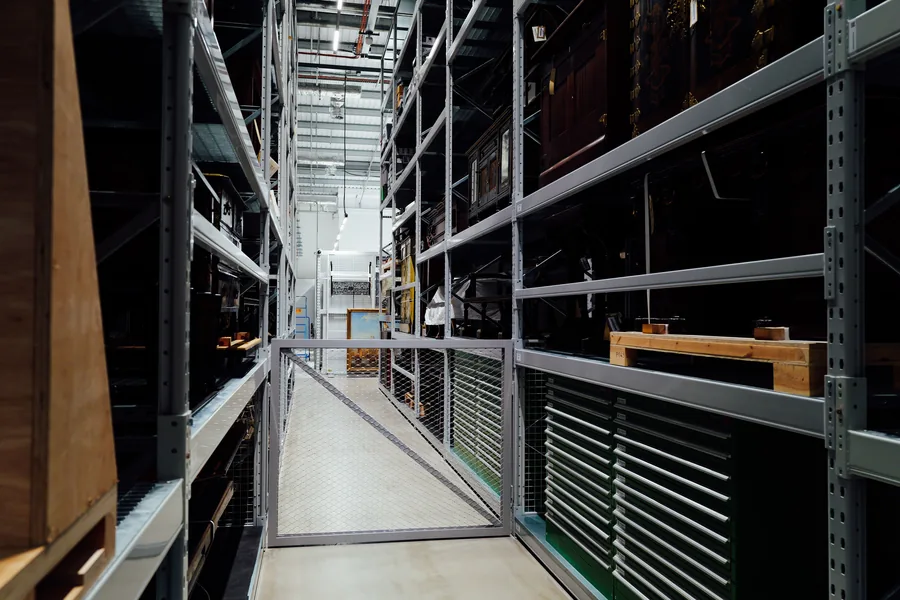
Labour inspectors recorded 41 338 findings in 2025. The largest share fell to transport and storage, at 8 978. Manufacturing is second with 7 733.9
With fatal accidents the lead is even clearer. Of the 24 fatal accidents in 2025, eight fell to transport and storage, a third of them. No other sector has a higher share.9
Why that is shows up in the statistics on the sources of accidents better than in any other figure.
| Source | Number | Share |
|---|---|---|
| Working and traffic areas as a source of falls | 2 212 | 29,75 % |
| Improper handling of loads and falling objects | 2 130 | 28,64 % |
| Machines | 668 | 9,0 % |
| Tools and hand tools | 661 | 8,9 % |
The first two rows together are 58,39 % of all registered accidents. Walking through the hall and handling loads, the two activities that make up warehouse work. Lifting equipment and conveyors added 202 accidents and vehicles 644.9
The European figures fit the same picture. According to Eurostat, Slovak transport and storage accounted for 772 non-fatal accidents at work in 2023, the third highest count after manufacturing and trade.11
Handling loads has a regulation of its own, Government Regulation No. 281/2006 Coll. It has been in force since 1 July 2006 and has not been amended since.1 Its logic is the same as with protective equipment: remove the risk first, limit it only afterwards.
The wording of the provision
"The employer must ensure, through organisational measures or the use of appropriate equipment [...] that employees do not have to handle loads manually."Section 4(1) of Government Regulation No. 281/2006 Coll.
Where handling cannot be eliminated, organisational measures to reduce the risk follow under Section 4(2). The employer must also give employees the weight of the load and provide training on correct handling under Section 6.
Annex 1 lists the factors the risk arises from: the characteristics of the load, the physical effort, the working environment and the demands of the task. Annex 2 then holds what people look up most often in practice and comply with in full least often.
| Age and conditions | Highest weight per load | Highest weight per shift |
|---|---|---|
| Men 18 to 29, favourable conditions | 50 kg | 10 000 kg |
| Men 18 to 29, unfavourable conditions | 40 kg | 8 000 kg |
| Men 50 to 60, favourable conditions | 35 kg | 5 500 kg |
| Men 50 to 60, unfavourable conditions | 30 kg | 5 000 kg |
| Women 18 to 49, favourable conditions | 15 kg | 6 000 to 6 500 kg |
| Women 18 to 49, unfavourable conditions | 10 kg | 5 500 kg |
| Women 50 to 60, favourable conditions | 10 kg | 5 000 kg |
| Women 50 to 60, unfavourable conditions | 5 kg | 4 000 kg |
The table has two columns and sites usually watch only the first. The second, the total weight carried over a whole shift, is harder to keep to when picking is constant. Eight thousand kilograms sounds like a lot until you convert it into parcels over an eight hour shift.
The least quoted part of the annex says how often lifting is allowed. At the highest value for men there is a restriction that explains why fifty kilograms is closer to a theoretical figure in practice.
The wording of the provision
"The maximum lifting frequency for manual lifting by men with a load of 50 kg is, in favourable conditions, 1 lift every 2 minutes (with a load of 25 kg, 1 lift per minute) over 1 hour per shift."Annex 2 to Government Regulation No. 281/2006 Coll., part a)
Rules on continuous lifting go with it. Men may lift loads of 30 to 50 kg continuously for one hour, and the breaks between those periods must not be shorter than 30 minutes. For women, loads of 10 to 15 kg may be lifted continuously for 10 minutes and loads of 5 to 10 kg for 15 minutes, with breaks of at least 10 and 15 minutes respectively. When seated and lifting with one hand, a load for women must not exceed 5 kg.1
The annex also gives separate values for young people. Boys aged 17 to 18 may lift 20 kg and girls of the same age 15 kg; aged 16 to 18 the figures are 15 and 10 kg. For pregnant women, mothers up to the ninth month after birth and breastfeeding women, values below half the usual ones are recommended, and the doctor's advice has to be respected.1
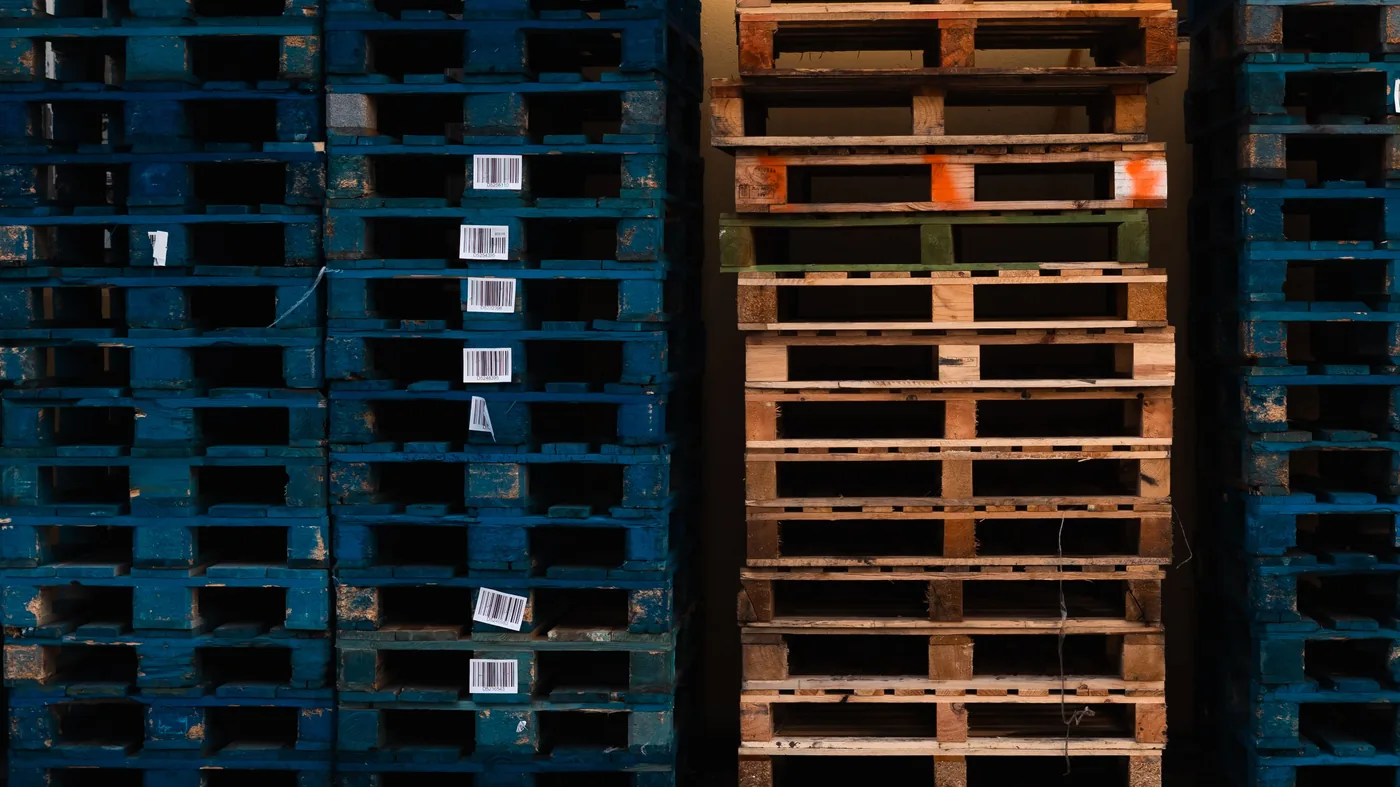
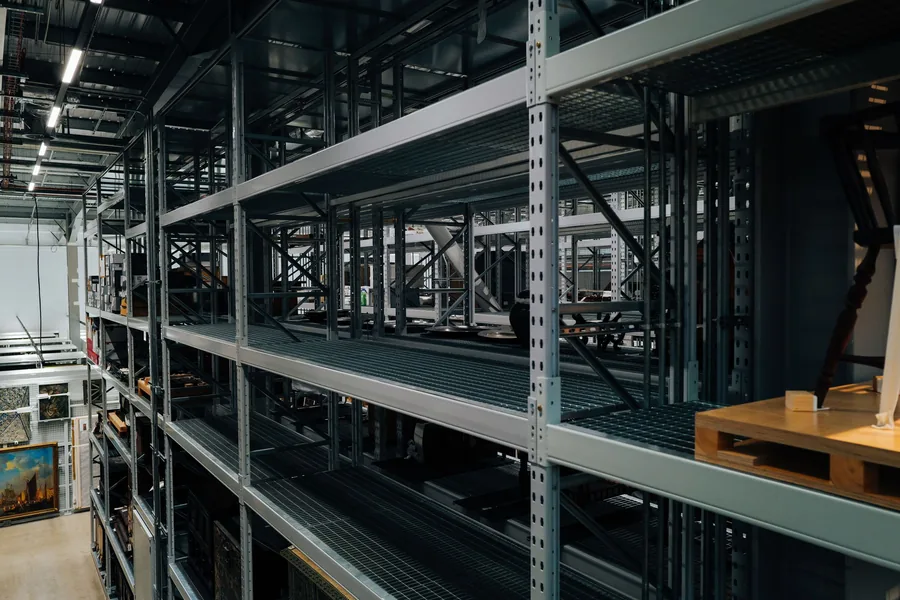
There is a coherent set of Slovak technical standards for static steel racking. With three of them it is worth checking the edition, because older versions have been withdrawn and still turn up in enquiries and documentation.10
| Standard | What it covers | Status |
|---|---|---|
| STN EN 15635 | Use and maintenance of storage equipment | valid, edition of 1 June 2009 |
| STN EN 15629 | Specification of storage equipment | valid, edition of 1 June 2009 |
| STN EN 15512+A1 | Adjustable pallet racking systems, principles of structural design | valid, edition of 1 June 2022 |
| STN EN 15512 | the same, editions of 2009 and 2021 | withdrawn |
| STN EN 15620 | Tolerances, deformations and clearances | valid, edition of 1 October 2021 |
| STN EN 15620 | the same, edition of 2009 | withdrawn |
The first of them matters most in day-to-day use. STN EN 15635 is titled Use and maintenance of storage equipment, runs to 61 pages and is listed in the catalogue with implementation level idt EN 15635:2008. It was published in English only; there is no Slovak translation.10
One thing has to be said here that runs against a widespread belief. No Slovak rule sets an interval for racking inspections. The annual interval that appears in service firms' offers is not a statutory deadline. Racking is a work device and Section 5(3) of Government Regulation No. 392/2006 Coll. applies to it: where no rule sets inspections, the employer sets their scope and frequency.2
The German trade publication DGUV Information 208-061 Lagereinrichtungen und Ladungsträger, in its November 2023 edition as updated in July 2024, puts it the same way. The operator has to assess whether its storage equipment is exposed to influences that cause damage and, if so, arrange repeat inspections at the intervals it has set on that basis.12
When to expect damage
"Mit Schäden verursachenden Einflüssen, die zu gefährlichen Situationen führen können, ist zum Beispiel dann zu rechnen, wenn Regale mit Gabelstaplern oder sonstigen Flurförderzeugen beladen und entladen werden."DGUV Information 208-061, section 6.1. In translation: influences that cause damage are to be expected, for example, where racking is loaded and unloaded with forklift trucks.
For an ordinary pallet warehouse that condition is met practically always. Inspections are therefore needed; only the interval has to be derived by the site itself, and the derivation has to be evidenced. The same publication gives one criterion that can be measured on the spot: the maximum deflection of load bearing parts at the permitted load is one two-hundredth of the span for metal materials and one hundred and fiftieth for other materials.12
Who may carry out the inspection is a second question. The German publication asks for a person competent to inspect, with the relevant training, experience and current practice in the field, who during the inspection must not be subject to technical instructions or disadvantaged because of its result.12 The Slovak rule speaks of an authorised person in Section 5(2) of Government Regulation No. 392/2006 Coll.
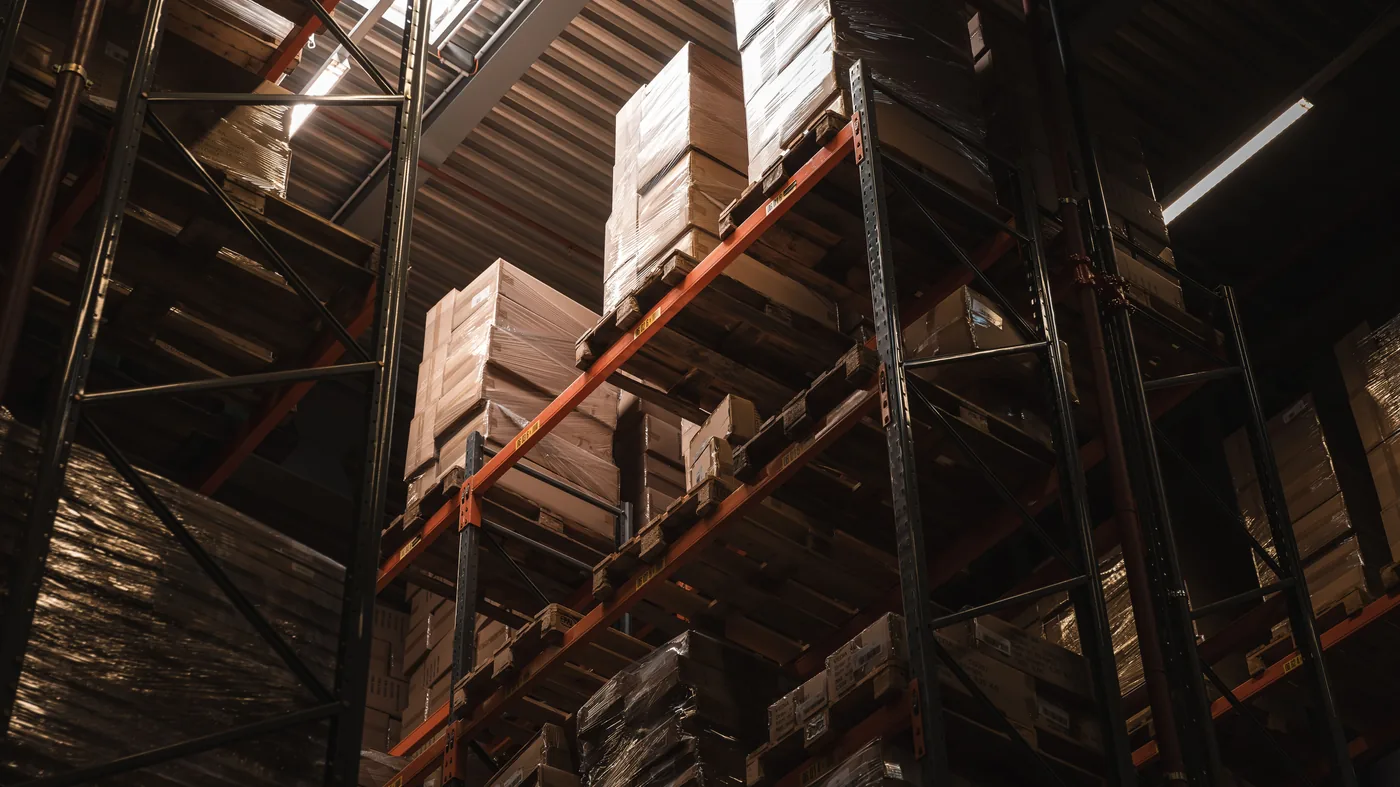
There is a belief around forklift trucks that they are designated technical equipment, with all the official tests that go with it. Decree No. 508/2009 Coll., which defines designated technical equipment, however does not contain the term forklift truck at all.5 It can be confused with the stacker crane, which does appear there, in two groups at once.
The exception at the end of the second entry matters for modern warehouses. Equipment forming part of an automated handling and storage system does not belong in group B.
The fact that a truck is not designated equipment does not exempt it from anything. Government Regulation No. 392/2006 Coll. on work devices applies to it, and on this point it is very specific.2
The wording of the provision
"A self-propelled mobile work device may be operated only by an employee who has completed training in operating it safely. Where a mobile work device moves within the working area, internal traffic rules must be issued and compliance with them must be ensured."Annex 2, points 3.1 and 3.2 of Government Regulation No. 392/2006 Coll.
The second sentence is where warehouses most often trip up. Issuing internal traffic rules is not enough. In the same sentence the rule asks for compliance to be ensured, and that is a checking activity, not a document.
The general duties for work devices come on top: regular inspection by an authorised person and a special inspection after a modification, a fault, an accident or a longer break under Section 5(2), keeping records so that they are available to supervisory authorities at any time under Section 5(4), and demonstrable operator training under Section 8(4).
Since the most common source of accidents is falls in working and traffic areas, Government Regulation No. 391/2006 Coll. on minimum health and safety requirements for the workplace deserves attention, in the wording in force since 15 January 2023.3 Its Annex 1 is short for a warehouse, but specific.
The signs themselves are dealt with by Government Regulation No. 387/2006 Coll. on requirements for safety and health signs at work, in the wording in force since 1 June 2015.4 Marking the routes is therefore not a question of tidiness in the hall but of complying with two regulations at once.
What to take from this
Marked routes and a level floor are cheap measures against the source of accidents with the highest number in the Slovak statistics. At 2 212 accidents from falls on the premises in a single year, this is the best ratio of cost to effect a warehouse has available.
Annex 3 to Government Regulation No. 395/2006 Coll. names the warehouse directly. Where there is a danger of static compression of parts of the body, footwear with a safety toecap is prescribed for the foot, the work listed is load handling, and among the sectors it expressly names transport and storage.8 The same annex deals with anti-slip footwear for work on slippery surfaces and protective gloves for handling items with sharp edges.
The duties around issuing are the same as at any other site; in a warehouse it is the size of the place that complicates them.
Compared with a production hall, a warehouse has one extra feature: part of what is issued comes back. Scanners, terminals, measuring instruments and tools go out for a shift and are meant to return. The records are then not only about issuing but also about the return and the condition the item came back in.
On protective equipment, the 2025 report on the state of occupational safety names a problem that is not about equipment being scarce.
Finding of the labour inspectorate
"Employees often fail to use PPE for no reason, even where it has been correctly issued. The causes are poor working habits and individual irresponsibility, as well as an employer control system that does not work."Report on the state of occupational safety and on the activity of the National Labour Inspectorate for 2025
The statistics on causes match. Missing, inadequate or unsuitable PPE caused eight accidents in 2025, and failure to use the PPE prescribed and issued caused eighty-four.9 In the area of protective equipment, inspectors recorded 598 findings, 27.78% fewer than in 2024.
The same group of shortcomings keeps coming up: no list of PPE provided or an inadequate one, difficulty in naming a specific type for each activity, records of issued equipment not kept or kept wrongly, employees not informed or instructed, and no checks on proper use.9
International prevention work outside state supervision reaches the same conclusion. The Vision Zero strategy, led by the International Social Security Association, sets the safety of machines, equipment and workplaces, raising qualifications, and involving employees as three separate rules out of seven.13
The inspectorate's assessment
According to the report, the main problem at Slovak workplaces remains a formal attitude to health and safety. Employers treat it mainly as protection against penalties rather than as a way of actually protecting health. The safety service prepares the documentation for them, but in practice nobody works with it.
Act No. 125/2006 Coll. on labour inspection, as in force since 7 June 2026, lists serious breaches of duty. Two entries standing next to each other matter for a warehouse: failure to provide a guard or safety device, and failure to provide the necessary effective PPE or to keep it in working order.7
For a serious breach the inspectorate does not consider a penalty, it imposes one.
| Situation | What the inspectorate does | Rate |
|---|---|---|
| Breach of duties under Section 19(1) | may impose | up to 100 000 € |
| Serious breach under Section 19(2) | imposes | 1 000 to 200 000 € |
| A breach resulting in an accident with serious injury | imposes | at least 20 000 € |
| A breach resulting in a fatal accident | imposes | at least 33 000 € |
In setting the amount, Section 19(6) takes into account, among other things, whether the breach results from an ineffective safety management system or is an isolated case, and whether the same shortcoming has been found repeatedly. A documented system of issuing and checking is therefore part of what gets assessed when a penalty is set.
In a warehouse the requirement that equipment be available runs up against distance. One central issuing point means an employee at the far end of the site walks several minutes for it, which is exactly why a damaged glove does not get replaced straight away. More issuing points, in turn, mean more places where the stock picture gets lost.
Controlled issuing settles both sides at once.
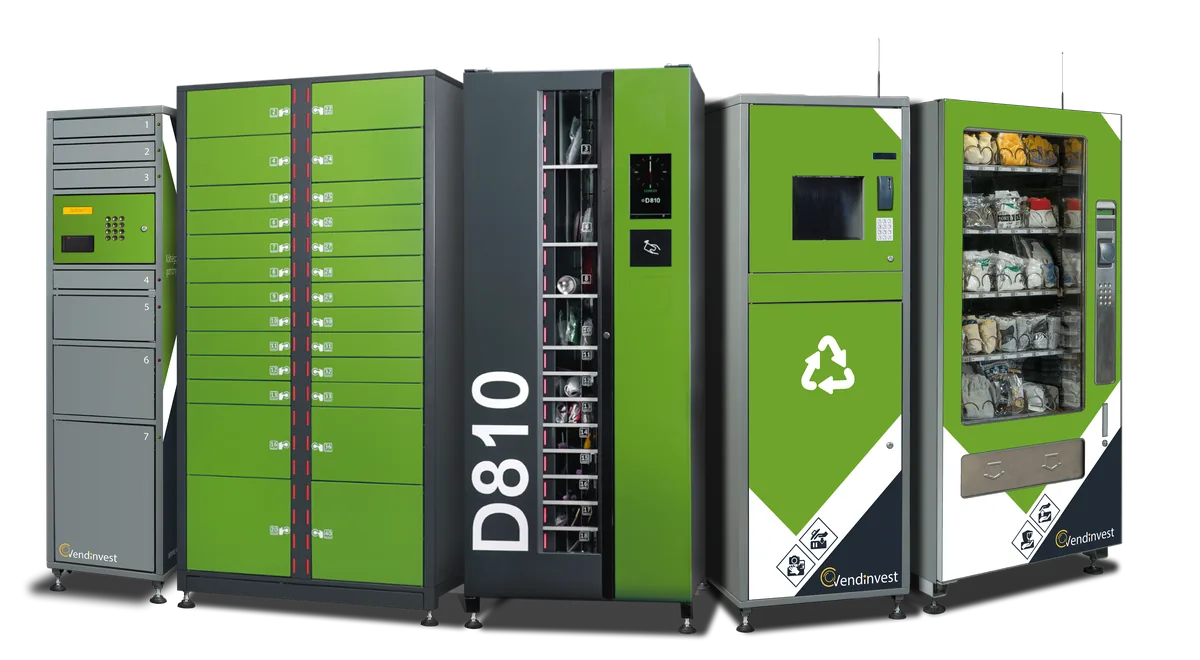
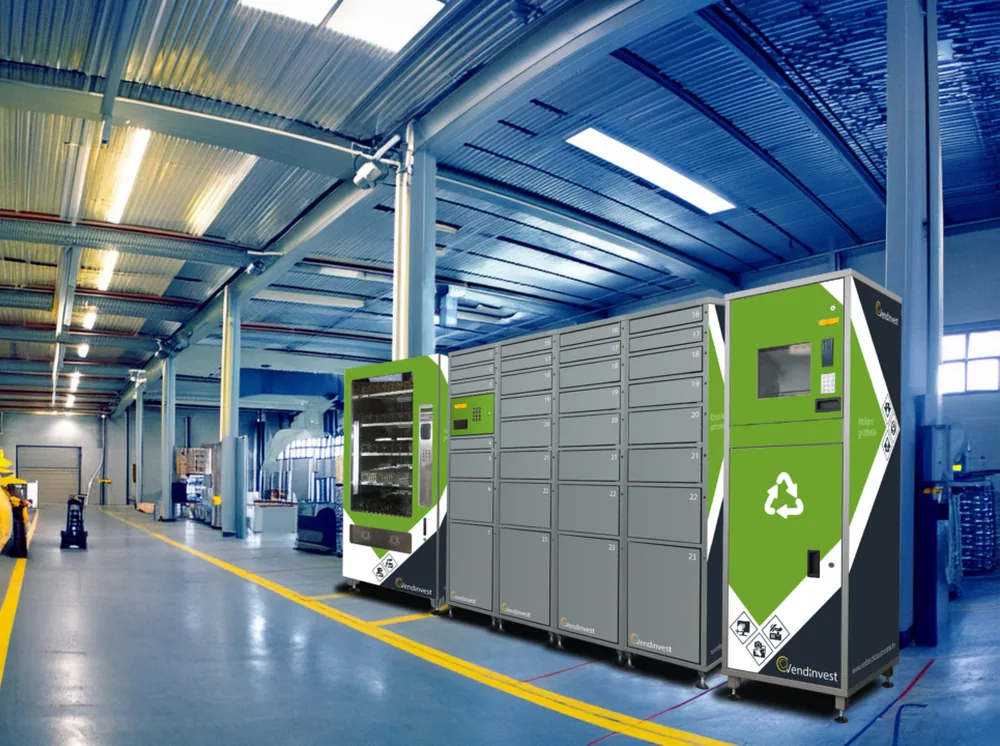
For a warehouse, our range is most often combined as the L40 for scanners, terminals and tools, with charging inside the locked cabinet, W40 DROP for gloves, goggles and consumables, and the T10 BASIC as an issuing point in the next hall.
Ten questions every warehouse and logistics operation should be able to answer.
Do we know the weight of loads at each workplace, and do we track the total per shift as well as the single load?
Have we checked whether manual handling could be eliminated by an organisational measure or a piece of equipment?
Have we set and justified the frequency of racking inspections, given that no rule sets it for us?
Does our documentation refer to the valid editions of the standards, and not to the withdrawn STN EN 15512 of 2009 and 2021?
Have we issued internal traffic rules, and do we check that they are followed?
Is the operator of every truck demonstrably trained to operate it safely?
Are traffic routes clearly marked and floors free of bumps, holes and slopes?
Is protective equipment available in every hall and on every shift, not only at a central issuing point?
Can we attach an employee and a date to every issue and every return, and do we keep the records for five years?
Do we carry out and document checks on whether the issued PPE is actually used?
No. Decree No. 508/2009 Coll., which defines designated technical equipment, does not contain the term forklift truck at all. What it does list is the stacker crane: in group A with an operator position on the crane, and in group B without one, while equipment forming part of automated handling and storage systems is excluded from group B. A truck is still covered by Government Regulation No. 392/2006 Coll., including mandatory operator training and internal traffic rules.
No Slovak rule sets an interval. Racking is a work device, so under Section 5(3) of Government Regulation No. 392/2006 Coll. the employer sets the scope and frequency of inspection. The annual interval offered by service firms is market practice, not a statutory deadline. What racking inspections should cover is dealt with by STN EN 15635, valid in Slovakia since 1 June 2009.
Annex 2 to Government Regulation No. 281/2006 Coll. gives guide weights by age and conditions. For men aged 18 to 29 in favourable conditions that is 50 kg per load and 10 000 kg per shift; for women of the same age, 15 kg and 6 500 kg. In older age groups and in unfavourable conditions the values are lower. The employer's first duty, though, is to eliminate manual handling, not to use the limits up.
No. Annex 2, point 3.2 of Government Regulation No. 392/2006 Coll. asks for two things in one sentence: issue internal traffic rules and make sure they are followed. The second part is a checking activity that has to be carried out and evidenced.
Yes. Annex 1, point 12.4 of Government Regulation No. 391/2006 Coll., as in force since 15 January 2023, states that traffic routes must be clearly marked. Safety and health signs at work themselves are dealt with by Government Regulation No. 387/2006 Coll.
The law requires records of protective equipment issued but does not prescribe the form, and the documentation is kept for five years from the last entry. With lent tools, scanners and measuring instruments it makes sense to record issue and return in one entry, so it is always clear who has an item and what condition it came back in.
Legislation is cited as in force on the date this guide was updated, and standards according to the ÚNMS SR catalogue as at 31 August 2026. Sources that are not Slovak legislation are marked in the list and are informative. This text is for information and does not replace legal advice or an assessment of a particular site.
Government Regulation No. 281/2006 Coll. on minimum health and safety requirements for the manual handling of loads
Government Regulation No. 392/2006 Coll. on minimum health and safety requirements for the use of work devices
Government Regulation No. 391/2006 Coll. on minimum health and safety requirements for the workplace
Government Regulation No. 387/2006 Coll. on requirements for safety and health signs at work
Decree No. 508/2009 Coll. of the Ministry of Labour on designated technical equipment
Act No. 124/2006 Coll. on occupational health and safety
Act No. 125/2006 Coll. on labour inspection
Government Regulation No. 395/2006 Coll. on the provision and use of personal protective equipment
Report on the state of occupational safety and on the activity of the labour inspection authorities for 2025
Catalogue of Slovak technical standards, entries STN EN 15635, STN EN 15629, STN EN 15512+A1 and STN EN 15620
Accidents at work by economic activity, 2023 data, dataset hsw_n2_01
DGUV Information 208-061, Lagereinrichtungen und Ladungsträger
Vision Zero, the seven golden rules
Recommended models
A warehouse usually combines three things: a cabinet for items that come back, a machine for consumables, and an issuing point in the next hall.
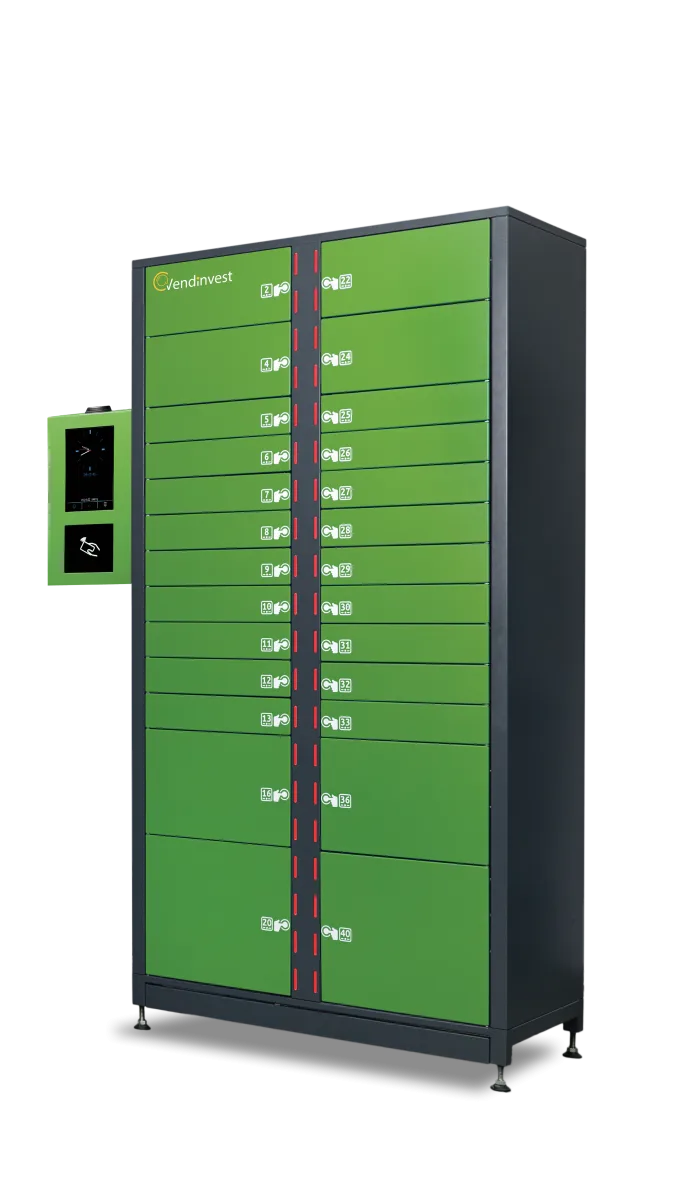 L40Scanners, terminals and tools, with charging inside the locked cabinet
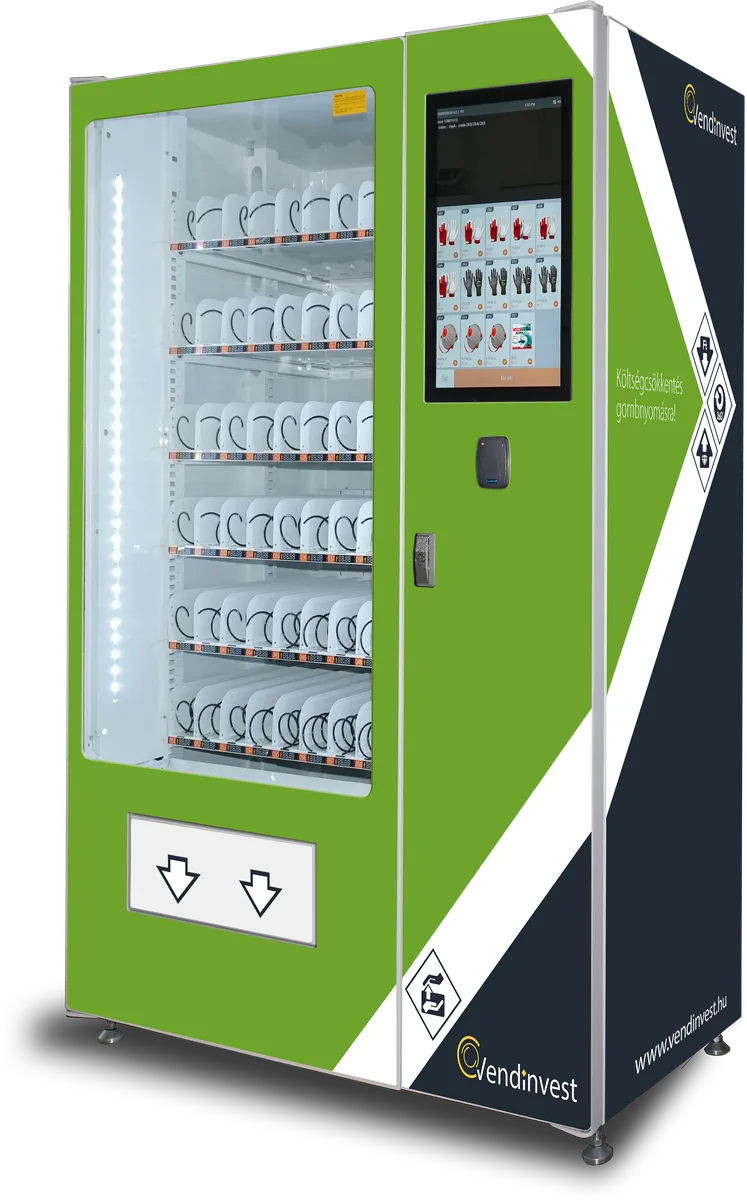 W40 DROPGloves, goggles, film and small consumables
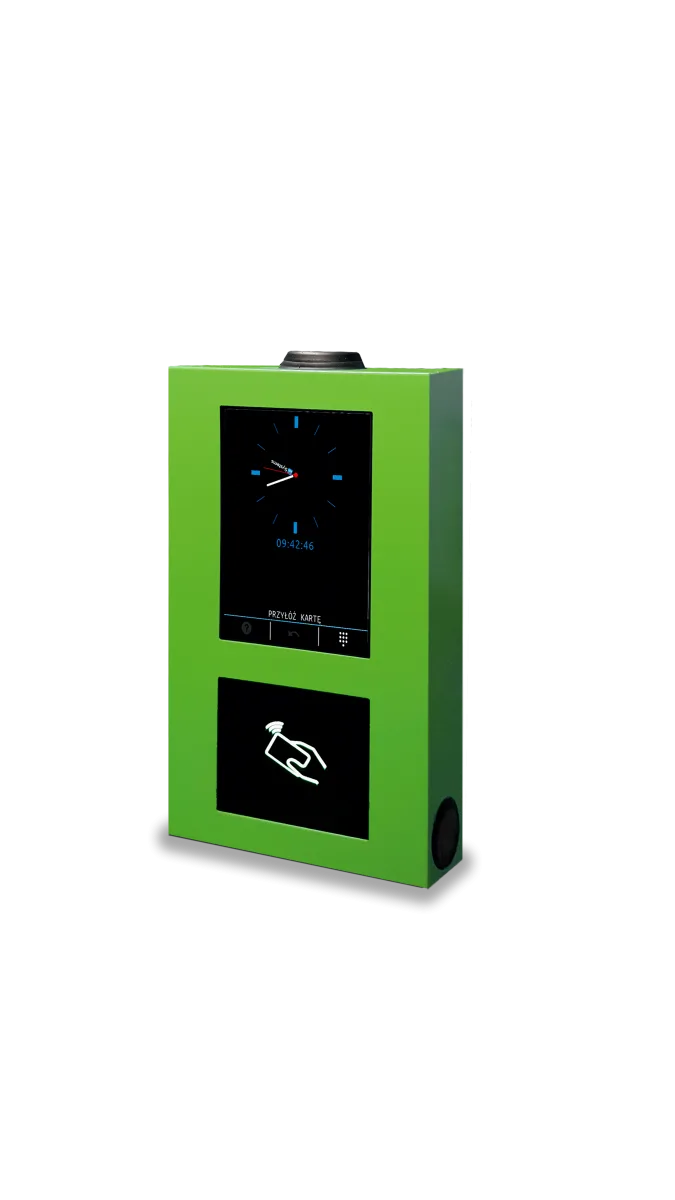 T10 BASICAn issuing point in the next hall, with one system covering it all
Where to next
Open a category to see what is in it. The button takes you to its page.
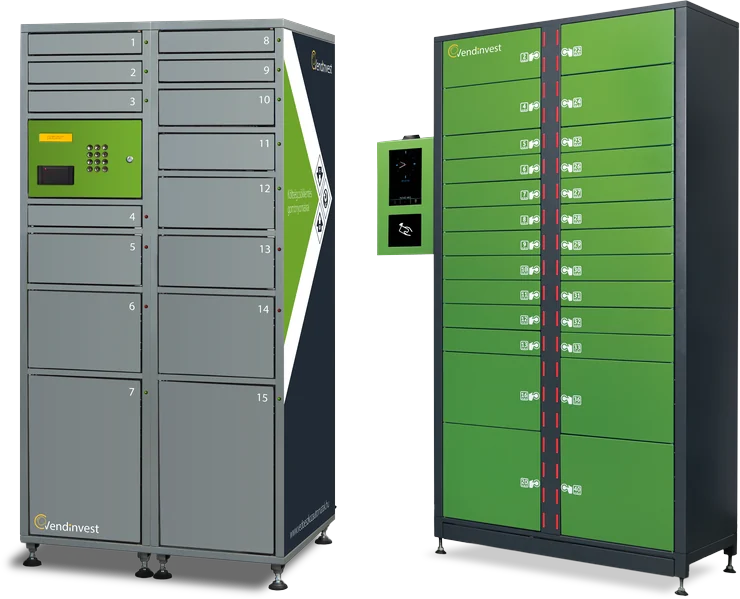
3 models · SZV 15, SZB 18, L40
Large items under lock. The L40 can also charge cordless tools inside the locked cabinet.
Go to the category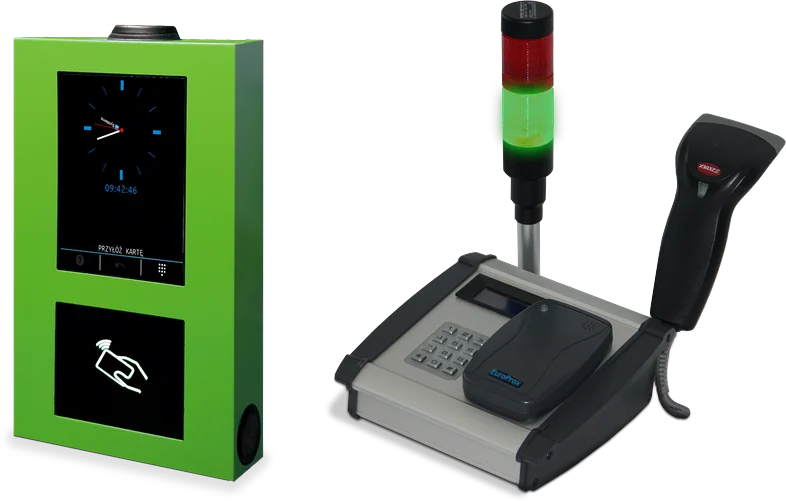
2 models · RKT 2, T10 BASIC
Issuing spread out with one overview. It suits sites where the central store is a long way from the work.
Go to the category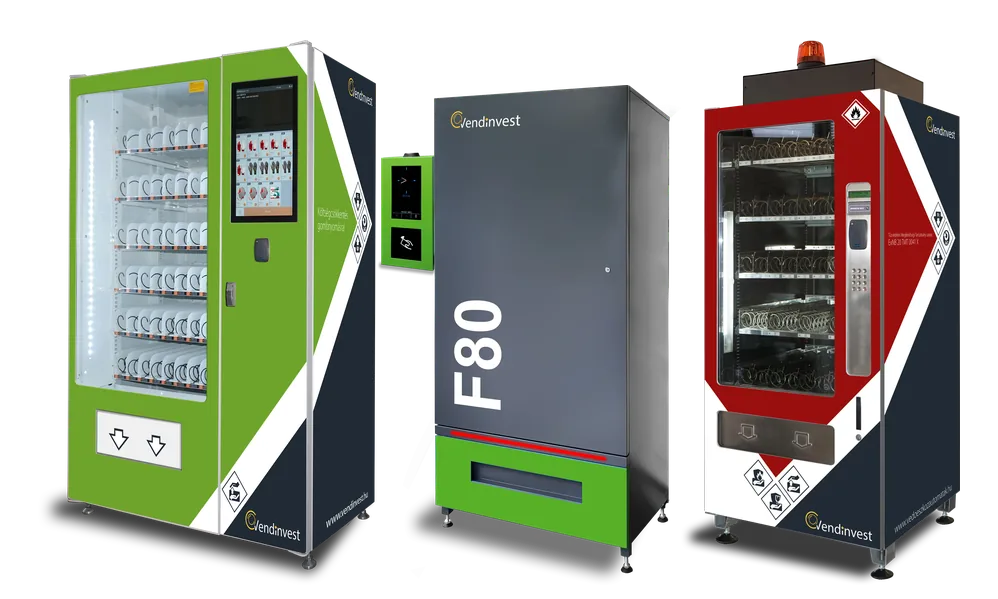
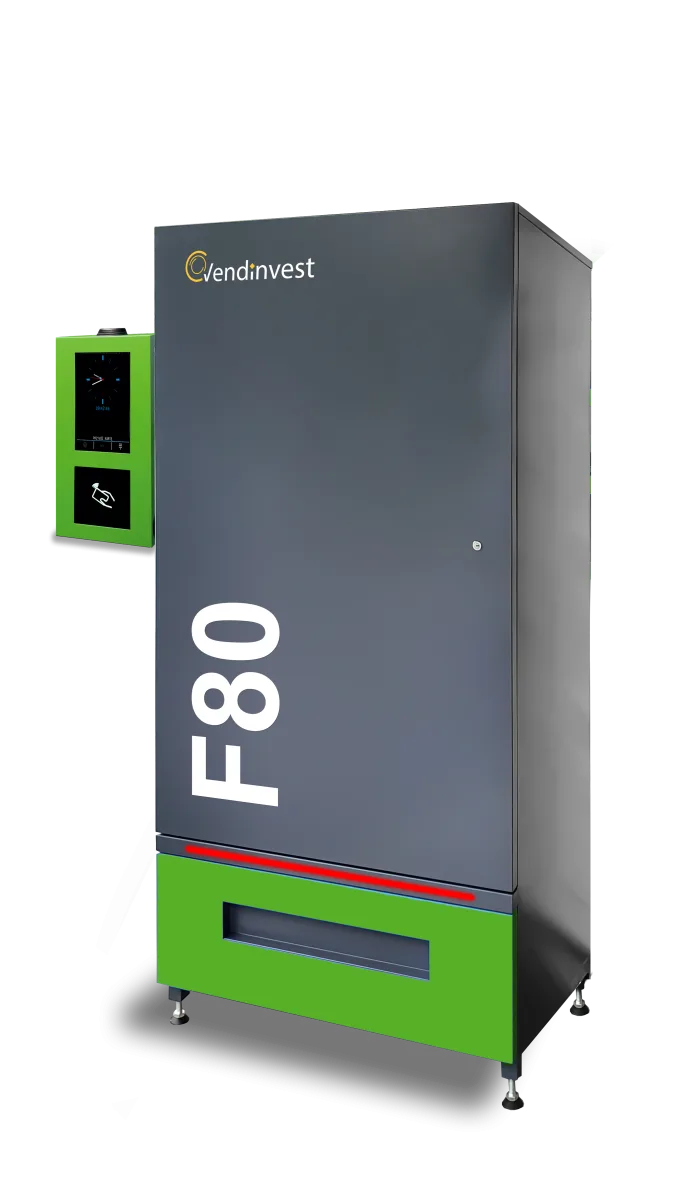
4 models · W40 DROP, W40 LIFT, W8 EX LIFT, F80 BASIC
Precise issuing piece by piece for small items, right at the workplace.
Go to the categoryMore guides
Duties for work equipment and PPE, records of what is issued, and penalties.
The new rules from April 2026, volume limits and zones.
The authorised person, intervals and records, isolation from power.
The new act on sales records, the exemption for vending machines and deposit return.
A consultation with no obligation
Tell us how many halls you have and what is issued and returned in them. We will propose a set of machines and a way of recording what goes out.